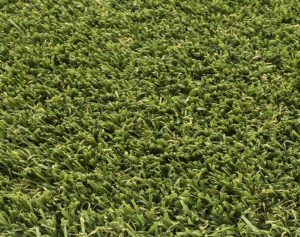
Cutting artificial grass properly is one of the biggest differences between a tidy, professional-looking lawn and one that instantly looks DIY. Get it right, and your turf will sit neatly against edges, joins will look cleaner, and the whole lawn will feel far more natural. Get it wrong, and you can end up with jagged edges, visible seams, wasted material, and awkward gaps around borders or posts.
The good news is that artificial grass is not difficult to cut once you know the right method. The key is using the right tool, cutting from the backing side, and working slowly around edges, curves, and joins.
At As Good As Grass, we’ve been installing lawns across Greater Manchester and the North West for over 20 years. Here’s our complete guide to cutting artificial grass, whether you’re tackling a DIY project or just want to understand how the pros do it.
🧭 Jump to:
- Why Cutting Matters
- Best Tools for Cutting Artificial Grass
- What Is the Best Tool to Cut Artificial Grass?
- Artificial Grass Cutting Tools Compared
- Step-by-Step Cutting Guide
- How to Cut Curves, Edges & Obstacles
- Extra Tips from the Pros
- Common Mistakes to Avoid
- FAQs
- Final Word
Why Cutting Matters
Artificial grass isn’t forgiving like natural turf. Once you cut, there’s no regrowth to cover mistakes. That’s why neat, accurate cutting is essential:
- Sharp edges – keeps your lawn tidy and professional-looking.
- Invisible joins – prevents gaps or overlapping seams.
- Precise fit – makes sure turf sits flush against edging, posts, and borders.
- Long-term stability – correct cuts reduce lifting and curling over time.
👉 Planning a full project? See our artificial grass installation service.
Best Tools for Cutting Artificial Grass
Using the right cutting tool makes the job cleaner, faster, and far less frustrating. For most DIY installs, you do not need specialist machinery, but you do need sharp blades and proper control.
- Stanley knife or utility knife – the main tool for cutting artificial grass cleanly from the backing side
- Spare sharp blades – essential, because blunt blades drag and fray the backing
- Heavy-duty scissors – useful for light trimming only, not full-length cuts
- Straight edge or chalk line – helps keep long cuts neat and consistent
- Tape measure – accurate measuring is one of the biggest parts of getting the fit right
- Protective gloves and knee pads – helpful for comfort, grip, and safety during longer jobs
👉 Not sure which grass to choose? Explore our premium ranges including Elite and Lux.
Artificial Grass Cutting Tools Compared
The best tool depends on the type of cut you are making. For most artificial grass jobs, a sharp utility knife is the main tool. Scissors can help with tiny finishing cuts, but they are not the best option for cutting full rolls or long edges.
| Tool | Best For | Should You Use It? |
|---|---|---|
| Utility knife / Stanley knife | Main cuts, straight lines, joins and edges | Yes – best all-round option |
| Heavy-duty scissors | Small trims and loose fibres | Yes, but only for finishing |
| Carpet knife | Longer backing cuts | Yes, if the blade is sharp |
| Saw | Not suitable for artificial grass | No |
| Lawn mower | Natural grass only | No – artificial grass should not be mown |
If you only buy one tool, choose a sharp utility knife and keep spare blades nearby. A blunt blade is usually what causes rough edges, dragged backing and messy cuts.
What Is the Best Tool to Cut Artificial Grass?
For most jobs, the best tool for cutting artificial grass is a sharp utility knife or Stanley knife. It gives you the control needed to follow stitch lines, trim neat edges, and cut accurately around borders or joins.
Scissors can help with very small finishing trims, but they are not ideal for the main job because they tend to bend the grass and make the cut less precise. If you are asking what to cut artificial grass with, the safest answer is: a sharp knife, plenty of spare blades, and a steady hand.
Step-by-Step: How to Cut Artificial Grass
Cutting artificial grass is not complicated, but accuracy matters. Here is the basic process our fitters use to keep edges neat, joins cleaner, and wasted material to a minimum.
Step 1. Measure & Plan
Work out where each roll will go and mark joins in advance. Always allow a little extra turf to trim – you can cut off excess, but you can’t add it back.
Step 2. Roll Out & Relax the Turf
Unroll the grass and leave it for a few hours (or overnight if possible). This lets creases drop out and makes cutting easier.
Step 3. Cut from the Backing Side
Always cut with the latex backing facing up. This avoids snagging fibres and gives a clean edge.
Step 4. Straight Cuts
Use a straight edge or chalk line to guide your knife. Make long, smooth cuts with steady pressure. Replace blades every 3–5m for a clean finish.
Step 5. Cutting Curves & Corners
For flowerbeds, trees, or patios, make small, gradual cuts. Pull the turf back slightly and cut in stages – never force a sharp curve in one go.
Step 6. Cutting Around Obstacles
Mark posts, drains, or paving edges on the backing, then cut slowly to shape. Always cut slightly wide first, then trim closer for accuracy.
Step 7. Preparing Joins
If two rolls meet, trim away 2–3 stitch lines from each edge. This prevents visible seams when joined with tape and adhesive.
Step 8. Finishing Edges
Once the turf is fixed, tidy the perimeter with smaller cuts. Push blades into the edging line and cut back excess for a snug fit.
👉 Want to see the full process? Check out our How to Install Artificial Grass guide.
How to Cut Artificial Grass to Size
To cut artificial grass to size, roll the turf out slightly larger than the area first, then trim it back gradually once it is positioned. Do not try to cut the final size before the grass is in place, especially around borders, paving, posts or curved edges.
Always leave a small amount of excess at first. It is much safer to trim back in stages than to cut too much off and leave a visible gap.
How to Cut Curves, Edges & Obstacles
Straight cuts are usually the easy part. The bits that catch most DIY installers out are curves, flowerbeds, posts, drain covers, and tight edging lines.
- For curves: make small, gradual cuts rather than trying to force one tight sweep
- For edges: cut slightly proud first, then trim back for a tighter final fit
- For posts or obstacles: mark carefully on the backing and cut in stages
- For neat borders: keep the turf under light tension so the backing stays flatter while you cut
For artificial grass edging, the safest method is to cut slightly over the edge first, press the grass neatly into position, then make your final trim with the blade angled against the border. This gives a tighter finish and reduces the risk of cutting the grass too short.
If you are wondering how to cut artificial grass without fraying, the biggest factors are using a sharp blade, cutting from the back, and not dragging a blunt knife through the fibres.
Extra Tips from the Pros
A few small adjustments can make a big difference to how neat the finished lawn looks:
- Always cut in daylight – shadows hide seams.
- Keep a box of spare blades – blunt knives tear turf.
- Align pile direction before cutting joins.
- Save offcuts for mats, pet areas, or patch repairs.
- Brush the pile upright after trimming – it hides cut lines.
Common Mistakes to Avoid
Even confident DIY installers get caught out by the same cutting mistakes:
- Cutting from the pile side (leads to jagged edges).
- Using scissors for main cuts (they bend and fray fibres).
- Forgetting to allow for overlap (ends up with gaps).
- Rushing curves and over-trimming.
- Leaving edges unsecured after trimming.
FAQs About Cutting Artificial Grass
Still unsure about tools, joins, or trimming edges? These are some of the most common cutting questions homeowners ask us.
What is the best way to cut artificial grass?
The best way is from the backing side, using a sharp Stanley knife or utility knife and a straight edge where needed. Slow, controlled cuts usually give the cleanest result.
What is the best tool for cutting artificial grass?
For most jobs, a sharp utility knife is the best tool. It gives more control than scissors and is better for long straight cuts, edging, and trimming around joins.
Can you cut artificial grass with scissors?
Yes, but only for very small finishing trims. Scissors are not ideal for the main cut because they can bend the grass and make the edge less tidy.
How do you cut artificial grass around curves?
Make small cuts in stages and trim gradually. Do not try to cut a tight curve in one pass, as that usually leads to overcutting or a ragged edge.
How do you stop artificial grass from fraying when cutting?
Use a sharp blade, cut from the back of the turf, and change blades regularly. Blunt blades are one of the main reasons the backing tears or frays.
Can I mow artificial grass?
No. Artificial grass does not grow, so it should never be mown. To refresh the pile, use a stiff brush or power brush instead.
Can you cut artificial grass to size?
Yes. Artificial grass can be cut to size using a sharp utility knife. For the cleanest result, position the grass first, leave a small amount of excess, then trim it back gradually from the backing side.
Can you cut artificial grass by hand?
Yes. Most artificial grass is cut by hand using a sharp Stanley knife, utility knife or carpet knife. You do not usually need power tools for a standard garden installation.
What knife should you use to cut artificial grass?
A sharp Stanley knife, utility knife or carpet knife is usually best. The blade needs to be sharp enough to cut cleanly through the backing without dragging or tearing it.
How do you cut artificial grass edging?
Cut the grass slightly proud of the edge first, press it into position, then trim carefully along the border with a sharp knife. Avoid cutting too much off in one pass, as this can leave gaps around the edge.
Can you cut artificial grass with a saw?
No. A saw is not recommended for cutting artificial grass. It can damage the fibres and leave a rough edge. A sharp utility knife is a much better option.
Final Word
Cutting artificial grass is where most DIY installs go wrong – but with the right tools and method, you’ll get a clean, professional finish. Measure carefully, cut from the back, replace blades often, and take your time.
Want a lawn guaranteed to look seamless? Book a free survey with As Good As Grass, and let our expert installers handle the hard work.
👉 Explore our ranges for artificial grass for gardens and dog-friendly lawns to get the perfect finish.