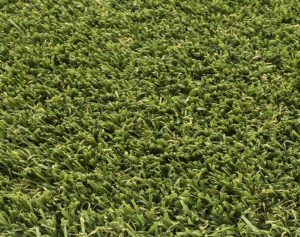
Decking can look great when it’s new – but it rarely stays that way.
Over time, timber decking fades, becomes slippery, and needs regular treatment just to stay usable. For many homeowners, especially those with shaded gardens or older boards, the upkeep becomes more hassle than it’s worth.
That’s why more people are asking a simple question: can you cover decking with artificial grass?
This guide explains when it works, when it doesn’t, how it should be done properly, and what to watch out for before committing.
💡 Quick Answer: Yes – you can cover decking with artificial grass, but only if the structure is sound and drainage is properly managed. The right fixing method and preparation are essential to avoid moisture, movement, and long-term damage.
🧭 Jump to:
| 🪵 Why People Cover Decking | ⚠️ Is It a Good Idea? |
| 🔧 How It Should Be Installed | 🚫 Common Problems to Avoid |
| 🏡 Professional Installation | ❓ FAQs |
Why Do People Cover Decking with Artificial Grass?
Decking often becomes a problem surface rather than a feature – especially in UK gardens with limited sun exposure.
Common reasons people choose to cover it include:
- Slippery boards in wet or shaded conditions
- Rotting or splintering timber
- Constant maintenance (oiling, staining, cleaning)
- A hard, uncomfortable surface for children or pets
Artificial grass creates a softer, more usable surface while visually refreshing the space – without removing the decking entirely.
Is Covering Decking with Artificial Grass a Good Idea?
It can be – but only in the right circumstances.
Covering decking works best when:
- The decking frame is structurally sound
- Boards are secure, level, and well-spaced
- Water can drain freely underneath
It’s not suitable if the decking is already rotting, flexing, or trapping moisture. In those cases, removal and a proper sub-base is the safer long-term option.
When covering decking isn’t recommended
Artificial grass should not be used to hide structural problems. If decking boards are soft, rotting, poorly supported, or permanently damp, covering them will usually make the issue worse rather than better.
In these cases, removing the decking and installing a proper sub-base is the safer long-term solution.
Artificial grass vs leaving decking exposed
For many homeowners, the decision comes down to whether improving existing decking is better than replacing it entirely. The comparison below highlights how exposed decking typically performs versus decking covered with artificial grass.
| Decking Only | Decking + Artificial Grass |
|---|---|
| Slippery when wet | Improved grip underfoot |
| Requires ongoing treatment | Minimal maintenance |
| Hard surface | Softer, child-friendly feel |
| Fades and weathers | Consistent appearance year-round |
For decking that’s still structurally sound, covering it with artificial grass can extend its usable life while dramatically improving comfort and appearance. The key is treating it as a surface upgrade – not a shortcut around underlying issues.
How Should Artificial Grass Be Installed on Decking?
This is where most DIY attempts go wrong.
Unlike soil or concrete, decking is a floating, breathable surface. Installation must account for movement, airflow, and water run-off.
Correct installation usually involves:
- Fixing a suitable underlay or mesh to stabilise the surface
- Allowing airflow to prevent trapped moisture
- Mechanical fixing rather than full adhesive bonding
- Edge detailing to stop lifting or curling
Purpose-built systems like our artificial grass decking cover solutions are designed specifically for these conditions.
Does artificial grass feel hotter than decking?
In direct sunlight, artificial turf can feel warmer than timber decking. In shaded or north-facing gardens – where decking often stays damp and slippery – grass-covered decking is usually more comfortable underfoot.
Common Problems When Covering Decking
The issues we most often see come from rushed or incorrect installs:
- Moisture trapped underneath, leading to rot
- Grass lifting or rippling as decking moves
- Poor drainage causing smells or algae
- Incorrect fixings that split boards
These aren’t problems with artificial grass itself – they’re problems with how it’s installed.
Is Professional Installation Worth It?
If you want the surface to last, yes.
Professional installers assess:
- Decking condition and load-bearing strength
- Ventilation and drainage routes
- Best fixing method for your layout
- Whether decking is viable – or should be replaced
Our artificial grass installation service covers decking, patios, balconies, and complex raised areas – with advice tailored to the structure underneath.
We also install across key areas including:
Covering Decking with Artificial Grass: Common Questions
Before committing to covering decking, these are the questions homeowners most often ask us.
Can you glue artificial grass directly to decking?
No. Fully bonding grass to decking can trap moisture and accelerate timber rot. Mechanical fixing or specialist systems are safer.
Will artificial grass damage my decking?
Not if installed correctly. Problems usually come from poor drainage or inappropriate adhesives.
Does artificial grass get slippery on decking?
No – artificial grass generally improves grip compared to wet timber boards.
Can artificial grass be removed later?
Yes. When installed properly, grass can be lifted and replaced without damaging the structure underneath.
Thinking About Covering Your Decking?
We assess your decking properly before installing artificial grass – so you don’t end up hiding bigger problems underneath.