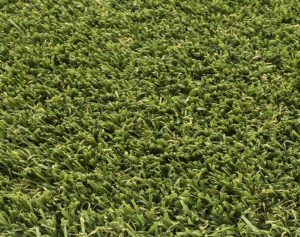
Anyone with a dog knows how quickly a lawn gets put to the test.
That’s why many dogs (and their owners) seem to instinctively take to artificial grass once it’s installed.
From muddy paws and patchy lawns to year-round play and easy clean-ups, artificial grass solves a lot of everyday problems for pet owners – without compromising comfort for animals.
This guide explains why pets love artificial grass, what owners gain from it, and what actually matters when installing a lawn that works properly for dogs and other animals.
💡 Quick Answer: Pets love artificial grass because it’s soft, consistent, mud-free, and usable all year round. Owners love it because it’s easy to clean, doesn’t wear away from digging or running, and removes common issues like muddy paws and patchy lawns.
🧭 Jump to:
| 🐶 Why Pets Love Artificial Grass | 🧍♂️ Why Owners Love It |
| 🧼 Hygiene, Smells & Cleaning | 🛠️ What Matters in Installation |
| 📍 Local Installations | ❓ FAQs |
Why Pets Love Artificial Grass
Dogs don’t respond to marketing – they respond to consistency and comfort.
Artificial turf provides a surface that feels the same every day, regardless of weather or season. That predictability is one of the main reasons dogs settle on it so quickly.
Common reasons pets take to artificial grass include:
- Soft, cushioned fibres that don’t turn hard or muddy
- No cold, wet patches after rain
- Even footing for running, playing, and lying down
- No sharp stones, thorns, or uneven turf
For older dogs or high-energy breeds, the stable surface can actually feel safer than worn natural lawns.
While dogs are the most common users, artificial grass also works well for cats and other pets who prefer a clean, consistent outdoor surface.
Does Artificial Grass Get Too Hot for Dogs?
In normal UK conditions, artificial grass does not reach unsafe temperatures for pets. In very hot weather, it can feel warmer than natural turf, which is why shaded areas, access to water, and sensible use during peak heat are always recommended.
For most dog-friendly gardens, this is rarely an issue – especially compared to hard surfaces like paving or decking.
Why Owners Love Artificial Grass Too
What pets enjoy, owners benefit from.
Artificial grass removes many of the most frustrating parts of managing a lawn with dogs:
- No muddy paws being tracked through the house
- No worn patches from repeated running routes
- No digging damage destroying the lawn
- Consistent appearance even with daily use
For busy households, the reduction in cleaning, repairs, and garden maintenance is often the biggest win.
Artificial Grass vs Natural Grass for Pets
For many pet owners, the decision comes down to a simple comparison: how does artificial grass actually perform day-to-day compared to a natural lawn when pets are involved?
Here’s a practical side-by-side look at the differences that matter most in real homes with dogs.
| Natural Grass | Artificial Grass |
|---|---|
| Turns muddy in wet weather | Stays clean and usable year-round |
| Wears quickly from running routes | Resists wear from repeated use |
| Absorbs urine into soil | Drains urine away from the surface |
| Requires reseeding and repair | Minimal ongoing maintenance |
For households with active pets, the differences add up quickly. Artificial grass doesn’t remove responsibility – but it does remove many of the problems that come with trying to maintain a natural lawn under constant use.
The key is ensuring the system underneath is built for drainage, durability, and daily wear – not just how it looks on day one.
Is Artificial Grass Hygienic for Pets?
Yes –when it’s installed and maintained properly.
Artificial grass is non-porous, meaning urine and waste don’t soak into the fibres like they do with soil or turf. Instead, liquids pass through to the drainage layer beneath.
With basic care:
- Solid waste can be removed immediately
- Urine can be rinsed away
- Odours don’t linger in the surface
This is why purpose-built dog-friendly artificial grass systems use enhanced drainage and backing designed specifically for pet use.
What Matters When Installing Artificial Grass for Pets
Not all artificial grass performs the same with animals.
For pet-heavy gardens, installation quality matters more than pile height or colour.
Key considerations include:
- Fast-draining sub-base to prevent urine build-up
- Secure fixing to stop lifting from running or digging
- Correct infill choice to maintain airflow
- Edge detailing to prevent chewing or pulling
A rushed or DIY install often leads to smells, pooling, or movement – not because of the grass itself, but because the foundation underneath wasn’t designed for pets.
Our artificial grass installation service accounts for pet behaviour from the start, not as an afterthought.
Artificial Grass for Pet Owners – Local Installations
We install dog-friendly artificial grass across the UK, including high-demand areas such as:
Each installation is adapted to garden layout, drainage conditions, and how pets actually use the space.
Artificial Grass & Pets: Common Questions
Before installing artificial grass for pets, most owners have the same practical concerns. Here are the questions we’re asked most often.
Do dogs prefer artificial grass?
Many do. Dogs tend to prefer surfaces that stay dry, soft, and consistent underfoot.
Will dog urine smell on artificial grass?
Not when drainage is done properly and the surface is rinsed regularly.
Is artificial grass safe for puppies?
Yes. When installed correctly, it provides a clean, cushioned surface suitable for young dogs.
Can dogs damage artificial grass?
High-quality grass installed correctly is very resistant to wear. Most damage comes from poor fixing or edges being left exposed.
Thinking About Artificial Grass for Your Pets?
We install artificial grass systems designed to handle daily pet use – clean, durable, and built properly from the ground up.