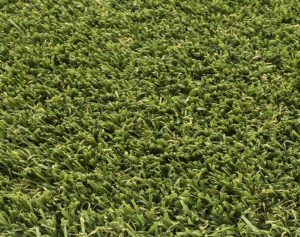
Yes – you can lay artificial grass on soil, but not directly onto bare soil if you want it to last. The best way to lay artificial grass on soil is to excavate the area, install a compacted sub-base, add a levelling layer, and then fit the turf on top.
If you skip the groundwork and lay fake grass straight onto soil, the surface will usually become uneven, weeds can come through, drainage will be poor, and the lawn will not stay looking good for long.
Below, we’ll walk you through the proper DIY method – the same approach our team uses on professional artificial grass installations.
Jump to:
- Can You Lay Artificial Grass Straight Onto Soil?
- Tools & Materials You’ll Need
- Step-by-Step: How to Lay Artificial Grass on Soil
- How to Secure Artificial Grass to Soil
- What Happens If You Skip the Sand Base?
- What Is the Cheapest Way to Lay Artificial Grass on Soil?
- FAQs About Laying Artificial Grass on Soil
- DIY vs Professional Installation
Can You Lay Artificial Grass Straight Onto Soil?
Technically, yes – but it is not recommended. Soil alone does not stay level, it holds moisture, and it shifts over time. That means artificial grass laid directly on soil is much more likely to develop dips, bumps, weed growth, and drainage problems.
A proper base made from compacted MOT Type 1 plus a thin levelling layer of sharp sand, grano dust, or limestone fines gives the lawn stability, drainage, and a smoother finish.
That’s why every artificial grass project in Manchester we install starts with proper ground preparation – it’s the difference between a quick fix and a lawn that lasts over 10 years.
Tools & Materials You’ll Need
Before you get stuck in, make sure you’ve got the right kit. A smooth, long-lasting lawn is not about shortcuts – it’s about preparing the ground properly and having the right materials ready from the start.
- Turf cutter or spade
- Wheelbarrow
- MOT Type 1 hardcore
- Sharp sand, grano dust, or limestone fines
- Weed membrane
- Wacker plate / compactor
- Artificial grass rolls + adhesive / seaming tape
- Galvanised nails, staples, or glue depending on edging
Tip: Not got all the kit? Our installation teams lay over 500 lawns a year – ask us for a free survey and quote.
Step-by-Step: How to Lay Artificial Grass on Soil
Laying artificial grass on soil is not complicated, but each stage matters. The difference between a lawn that lasts a season and one that lasts a decade usually comes down to the base underneath it.
Here’s the step-by-step method our team uses – the same process you can follow at home if you’re tackling a DIY install.
Step 1. Plan and Mark Out
Decide your finished height and edging. Timber is ideal for borders, concrete for hard edges. Order turf rolls (always allow 5–10% extra for cuts and joins).
Step 2. Remove Existing Turf & Soil
Strip out around 75mm of topsoil. Remove roots and apply weed killer if needed. This prevents regrowth later.
Step 3. Install Edging
Fit timber battens or smooth concrete around the perimeter. This gives you a secure edge to fix the turf into.
Step 4. Lay a Weed Membrane
Roll out geotextile membrane across the entire area. This prevents weeds growing through and extends the life of your turf.
Step 5. Build the Sub-Base
Spread 50–60mm of MOT Type 1 hardcore and compact it thoroughly using a wacker plate. A light sprinkle of water helps it bind together.
Step 6. Apply Sand Layer
Add a 10–15mm layer of sharp sand, grano dust, or limestone fines. Compact and screed level to remove dips. This creates a smooth bedding surface.
Which Levelling Layer Should You Use?
Sharp sand, grano dust and limestone fines can all be used as a levelling layer above the compacted sub-base. The best choice depends on your budget, drainage and how firm you want the final surface to feel.
- Sharp sand is usually the most cost-effective and easiest to work with for standard garden installs.
- Grano dust compacts very firmly and creates a strong finish, but it can be harder to screed level.
- 2–6mm limestone fines offer strong drainage and are easy to work with, but they are often more expensive.
For most domestic gardens, sharp sand over a properly compacted MOT Type 1 base is a practical choice. The key is not piling on too much sand. Too much sand can move, dip and become uneven over time. A thin, well-compacted levelling layer is usually enough.
Step 7. Roll Out & Cut Grass
Unroll your artificial grass, making sure all pieces face the same pile direction for a uniform look. Trim edges neatly with a sharp knife.
Step 8. Join & Secure
Use adhesive and seaming tape to join rolls together. Fix edges to your timber frame with galvanised nails or staples, or use glue on hard edges.
Step 9. Brush & Settle
Brush the pile with a stiff broom to lift the fibres. Leave for 24–48 hours to let the grass settle into place.
How to Secure Artificial Grass to Soil
Artificial grass should not usually be fixed directly into loose soil. The proper way to secure it is to build a firm perimeter first, then fix the edges into that structure.
In most garden installs, this means:
- timber edging or battens fixed around the perimeter, or
- solid concrete, paving, or another stable border where adhesive can be used
Once the turf is in place, the edges can be secured with galvanised nails, staples, or adhesive depending on the border detail. Trying to pin artificial grass straight into soft soil usually leads to movement over time.
What Happens If You Skip the Sand Base?
You are much more likely to end up with an uneven surface that puddles in heavy rain, settles badly, and feels unstable underfoot. Weeds can break through, and the lawn will not stay looking fresh for long.
That’s why our pet-friendly grass installations always include a proper base – dogs in particular will expose a poorly prepared lawn very quickly.
What Is the Cheapest Way to Lay Artificial Grass on Soil?
The cheapest way to lay artificial grass on soil is usually to handle the ground preparation yourself, then either fit the grass yourself or ask a professional team to complete the specialist cutting, joining and finishing.
The biggest savings usually come from doing the labour-heavy parts yourself, such as removing the old lawn, digging out the soil, installing the weed membrane, bringing in the sub-base and levelling the area.
That said, the cheapest route is only good value if the base is done properly. One poor cut, bad join or uneven base can cost more to fix than doing the job properly in the first place.
As Good As Grass can supply premium artificial grass for DIY installs, or step in to complete the fitting if you have prepared the sub-base yourself. This can help reduce installation costs while still giving you a professional finish where it matters most.
FAQs About Laying Artificial Grass on Soil
Still got questions? You’re not alone. These are some of the most common things homeowners ask before laying artificial grass on soil.
Can I lay artificial grass directly on soil?
Technically you can, but it is not recommended if you want a smooth, long-lasting finish. Without a proper sub-base, the lawn is much more likely to become uneven, hold water, and allow weeds through.
Can you put artificial grass on topsoil?
Not as a proper long-term installation. Topsoil is too soft and unstable on its own. It needs to be excavated and replaced with a compacted sub-base and levelling layer.
What is the best base for artificial grass on soil?
The best base is usually MOT Type 1 hardcore compacted firmly, topped with a 10–15mm layer of sharp sand, grano dust, or limestone fines.
Do you put sand under artificial grass?
Yes. A thin sand or grano layer is typically used to help create a smoother, better-draining surface above the sub-base.
How do you secure artificial grass to soil?
You normally secure it to a solid perimeter such as timber edging or concrete borders, rather than pinning it straight into loose soil.
How long does artificial grass take to settle?
Usually around 24–48 hours. Brushing the pile upright after fitting helps it settle and look more natural.
What’s the cheapest way to lay artificial grass on soil?
The cheapest option is usually a DIY install with supply-only turf, but cutting corners on the groundwork is where most problems start. We supply grass from £12.50 per m².
How deep do you need to dig for artificial grass on soil?
As a general guide, remove around 75mm of soil from the finished height. This gives enough room for the weed membrane, compacted MOT Type 1 sub-base, levelling layer and artificial grass.
Can you lay artificial grass without sand?
You can, but most soil-based garden installations need some form of final levelling layer. Sharp sand, grano dust or limestone fines help create a smoother finish above the compacted sub-base.
Can you lay artificial grass on uneven ground?
Not properly. Uneven ground should be excavated, compacted and levelled first. Artificial grass will follow the shape of the base underneath it, so dips and bumps in the ground usually show through the finished lawn.
How long will artificial grass last on soil?
With the correct groundwork, a good-quality lawn should last 10+ years. As Good As Grass offers a 10-year product guarantee.
DIY vs Professional Installation
DIY can save money, but it is hard physical work and easy to get wrong. Professional installers usually deliver a better finish, longer lifespan, and stronger drainage because the groundwork is done properly from the start.
As we often say: we’re not the cheapest, because we don’t cut corners. But we are the best value if you want it done properly.
If you’d rather leave it to the experts, our team covers Oldham, Bolton, and the wider Greater Manchester area.
Want your new lawn to last? Let As Good As Grass handle the heavy lifting. We supply and install premium turf across Greater Manchester — with a 10-year guarantee. Get a Free Survey & Quote Today.