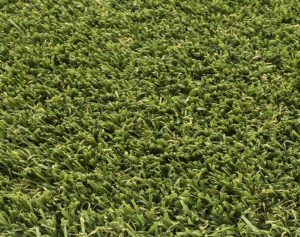
Yes, 3G pitches and other artificial sports surfaces can become frozen or icy in winter, especially when moisture sits within the turf, infill or surface structure and temperatures drop. The synthetic fibres themselves do not behave like natural grass, but frost, ice, snow and frozen infill can still change how the surface feels, drains and performs.
That does not mean every artificial pitch has to close as soon as the temperature drops. What matters is the actual condition of the surface, how well it drains, the type of system installed and whether it remains safe and suitable for play.
❄️ Quick Answer: Can artificial sports pitches freeze?
- Yes – 3G, MUGA and other artificial sports surfaces can become frozen or icy.
- Cold weather can harden infill, create slippery patches and affect surface consistency.
- A frozen or icy pitch should not automatically be treated as safe for normal play.
- Drainage, surface condition and previous rainfall all affect how quickly problems develop.
- Snow and ice should be managed carefully to avoid damaging the turf or spreading infill.
- For regulated competition pitches, always follow the surface manufacturer’s guidance and relevant governing-body requirements.
Planning or Maintaining an Artificial Sports Surface?
We install and maintain artificial sports surfaces for schools, recreational facilities and multi-use areas. If you need advice on drainage, surface condition or winter maintenance, speak to our team.
🔑 Quick Takeaways
- Artificial sports pitches can freeze even though the grass fibres are synthetic.
- Moisture, infill and drainage play a major role in winter surface condition.
- Ice, frozen infill or inconsistent footing can make play unsafe.
- Winter maintenance should focus on drainage, brushing, debris removal and regular inspection.
🧭 Jump to:
| ❄️ Can 3G pitches freeze? | ⚽ Can you play on one? |
| 🧊 What happens to infill? | 🌨️ What about snow? |
| 💧 Winter drainage | 🧹 Winter maintenance |
| 🚫 When should a pitch close? | ❓ FAQs |
💡 Quick Answer: A 3G or artificial sports pitch can freeze when moisture within the surface, infill or drainage system is exposed to prolonged cold. The safest decision should be based on the actual condition of the pitch rather than temperature alone.
Can 3G Pitches Freeze?
Yes.
Artificial turf does not grow, hold moisture or freeze in exactly the same way as natural grass, but the complete pitch system can still be affected by winter weather.
A 3G surface usually contains synthetic fibres and infill laid over a prepared sports base. Moisture can sit within or move through that system.
When conditions become cold enough, you may see:
- Frozen moisture within the infill
- Harder or less consistent footing
- Ice forming on shaded or poorly draining areas
- Slippery surface patches
- Reduced drainage where parts of the system are frozen
The severity depends on the surface, drainage, recent rainfall, shade, maintenance condition and how long the cold weather lasts.
If you’re comparing different sports surfaces, our 3G vs 4G pitch guide explains the main differences in construction and use.
Can You Play Football on a Frozen 3G Pitch?
Not automatically.
A pitch should be assessed based on how it actually feels and performs.
Warning signs that play may not be appropriate include:
- Visible ice
- Slippery areas
- Very hard or frozen infill
- Uneven footing
- Frozen standing water
- Sections of the pitch behaving differently from others
If the surface no longer provides consistent footing, normal use should be reconsidered.
There is no useful universal temperature at which every artificial pitch suddenly becomes unsafe. Surface systems differ, and local conditions can vary considerably.
For regulated football or competition surfaces, the correct approach is to follow the manufacturer, facility maintenance plan and any relevant governing-body requirements.
What Happens to 3G Infill in Freezing Weather?
The infill is one of the biggest reasons winter conditions matter.
On many 3G systems, infill helps support the fibres and contributes to how the pitch feels and performs.
If moisture within the infill freezes, the surface can become:
- Harder underfoot
- Less forgiving
- Less consistent across the pitch
- More difficult to brush properly
That is why assessing only the visible grass fibres can be misleading.
A pitch can look relatively normal from a distance while the surface beneath your feet feels noticeably different.
🛠️ Expert Insight: Winter pitch checks should focus on consistency, not just appearance. If one area feels hard, slick or frozen while another remains normal, that difference matters even if the turf still looks green.
Does Frost Damage Artificial Sports Turf?
Frost itself does not automatically mean an artificial pitch has been damaged.
The bigger risk comes from how the surface is treated while frozen or icy.
Problems can arise if:
- Heavy maintenance machinery is used at the wrong time
- Frozen infill is aggressively disturbed
- Snow or ice is removed using unsuitable equipment
- The pitch is repeatedly used while the surface is inconsistent
Once conditions improve, the surface should be checked again before returning to normal use.
For ongoing care, our artificial grass pitch maintenance guide covers brushing, infill and routine upkeep in more detail.
What Happens When Snow Falls on an Artificial Pitch?
Snow can temporarily cover an artificial pitch just as it would any other outdoor surface.
The main question is whether the pitch needs to be used immediately or whether the snow can be allowed to melt naturally.
Where possible, natural thawing is usually the least disruptive option.
If snow has to be removed, care is needed to avoid:
- Damaging synthetic fibres
- Dragging infill away with the snow
- Scraping the surface with unsuitable tools
- Creating compacted icy patches
Always follow the maintenance instructions for the specific turf system installed.
Does Artificial Turf Still Drain in Winter?
Yes, but winter conditions can expose drainage weaknesses.
Artificial turf is designed to let water move through the surface, but the entire construction underneath still has to carry that water away.
Problems are more likely when:
- The base is already saturated
- Drainage outlets are blocked
- Debris has built up on the surface
- Low spots hold water
- Standing water freezes
A pitch that drains slowly in mild weather is more likely to cause problems during repeated rain and frost.
This is the same basic principle we see across artificial surfaces: the turf is only the top layer.
Our guide on what goes under artificial grass for drainage explains why the base matters so much.
Winter Maintenance for Artificial Sports Pitches
Winter maintenance is largely about keeping the surface clean, consistent and able to drain.
Useful routine checks include:
- Remove leaves and debris before they break down or block drainage.
- Check known low spots after heavy rain.
- Inspect shaded areas where frost and ice may linger longer.
- Monitor infill levels and surface consistency.
- Brush the surface appropriately when conditions allow.
- Check drainage outlets for blockages.
- Inspect the pitch after severe weather before normal use resumes.
The correct maintenance frequency depends on how heavily the surface is used.
School MUGAs and sports areas used every day usually need closer monitoring than lightly used recreational surfaces.
3G Pitch Winter Problems at a Glance
| Winter Issue | What You May Notice | What to Check |
|---|---|---|
| Frost | Harder surface or inconsistent footing | Surface feel and infill condition |
| Ice | Slippery or unsafe areas | Shaded areas, low spots and standing water |
| Snow | Covered surface and hidden footing conditions | Whether safe removal is genuinely needed |
| Heavy rain | Slow drainage or pooling | Drainage system and low spots |
| Debris build-up | Blocked surface and slower drainage | Leaves, moss and organic matter |
When Should an Artificial Sports Pitch Be Closed?
There is no single weather reading that answers this for every pitch.
The more useful question is whether the surface remains suitable for safe, consistent use.
Closing or restricting the pitch should be considered when:
- Ice is visible
- Players cannot get reliable footing
- The surface has frozen hard
- Standing water has frozen
- Snow hides the playing surface
- Different areas of the pitch behave inconsistently
- The facility’s own maintenance guidance says the surface should not be used
If in doubt, protecting users and the surface should take priority over keeping a session running.
What About MUGAs in Winter?
Multi-Use Games Areas can experience many of the same winter problems.
The exact behaviour depends on the surface installed.
A MUGA may be used for football, general PE, basketball, tennis or several activities, so the maintenance and inspection requirements can differ from a dedicated football pitch.
Winter checks should still cover:
- Slippery areas
- Frost and ice
- Standing water
- Surface contamination
- Drainage
- Edges and high-use areas
If you’re planning a multi-use sports area, our guide on what a MUGA pitch is explains the different uses, surfaces and design considerations.
For schools considering a new recreational sports area, our artificial grass for schools and nurseries page covers the wider installation options.
Can Better Installation Reduce Winter Problems?
It can reduce some of them.
No outdoor sports surface is immune to severe winter weather, but good design and installation can help prevent avoidable problems.
Important factors include:
- A stable, properly constructed base
- Suitable drainage
- Correct levels
- Appropriate edging
- A surface selected for how the facility will be used
Poor drainage is particularly important because standing water creates a much bigger problem when temperatures fall.
Our artificial sports pitch installation service focuses on the complete surface build-up rather than treating the artificial turf as the only part of the system.
FAQs About Frozen 3G & Artificial Sports Pitches
If you’re responsible for a school pitch, MUGA or recreational artificial sports surface, these are some of the most common winter questions.
Can a 3G pitch freeze?
Yes. Moisture within the surface or infill can freeze, making the pitch harder, less consistent or slippery.
Can you play football on a frozen 3G pitch?
You should only use the pitch if the surface remains safe and consistent. Visible ice, frozen infill or unreliable footing are reasons to reconsider play.
Does a 3G pitch have a minimum playing temperature?
There is no useful universal temperature that applies to every surface. Follow the turf manufacturer’s guidance, facility maintenance procedures and any relevant governing-body requirements.
Does frost damage artificial grass pitches?
Frost does not automatically damage a pitch, but inappropriate use or maintenance while the surface is frozen can increase the risk of problems.
Can snow be cleared from a 3G pitch?
Sometimes, but snow removal should follow the manufacturer’s maintenance guidance so the fibres and infill are not damaged or displaced.
Do 3G pitches drain in winter?
Yes, provided the drainage system is functioning properly. Saturated bases, blocked drainage and frozen standing water can still cause problems.
Should an artificial pitch be brushed in freezing weather?
Maintenance should only be carried out when the surface condition and manufacturer guidance allow it. Aggressively brushing frozen infill may not be appropriate.
Are MUGA pitches usable in winter?
Often, yes. However, frost, ice, snow, drainage and the particular surface installed all affect whether the area is suitable for use on a given day.
Need Help With an Artificial Sports Surface?
Whether you’re planning a school MUGA, recreational sports pitch or need advice on an existing artificial surface, our team can help with installation, drainage and ongoing maintenance.
Keep Artificial Sports Surfaces Usable Through Winter
Artificial sports pitches are designed for much more consistent year-round use than natural grass, but they are still outdoor surfaces and severe winter conditions can affect them.
The important thing is to monitor the actual condition of the pitch, maintain drainage, keep the surface clean and avoid assuming that artificial turf is automatically safe simply because it still looks green.
At As Good As Grass, we work with schools and recreational facilities on artificial sports and multi-use surfaces, with proper groundwork and long-term performance built into the installation.
Take a look at our artificial sports pitch installation service or contact our team for straightforward advice.