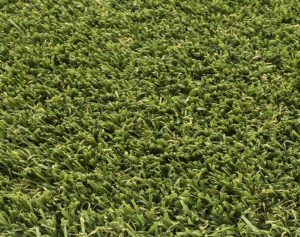
Old artificial grass can often be restored if the turf is still structurally sound, the backing has not failed, and the base beneath it is still draining properly. A tired-looking lawn does not always need ripping out. In many cases, a professional clean, power brush, weed treatment, moss removal, odour treatment, or minor repair can bring it back to life.
But there is a limit. If the grass is badly worn, lifting at the edges, holding smells, sinking, or sitting on a failed base, replacement may be the better long-term option.
♻️ Quick Answer: Can old artificial grass be restored?
- Yes – many older artificial lawns can be restored with deep cleaning and maintenance.
- Power brushing can help lift flattened pile and remove compacted debris.
- Moss, weeds and odours can often be treated without replacing the whole lawn.
- Replacement may be needed if the backing, joins, drainage or base has failed.
- A proper inspection helps avoid replacing a lawn that still has life left in it.
Not Sure Whether Your Artificial Grass Needs Cleaning or Replacing?
We inspect, clean, repair and replace artificial grass. If your lawn looks tired, smells, has weeds, or no longer feels right underfoot, we can advise whether restoration is still realistic.
🔑 Quick Takeaways
- Old artificial grass does not automatically need replacing.
- Cleaning and power brushing can make a big difference to tired lawns.
- Repeated smells, sinking areas or lifting joins may point to deeper issues.
- The base underneath the grass is just as important as the turf itself.
🧭 Jump to:
| ♻️ Can old grass be restored? | 🧼 What we check first |
| ✅ Signs restoration is worth it | ⚠️ Signs replacement is needed |
| 📊 Restore vs replace | ❓ FAQs |
💡 Quick Answer: Old artificial grass can often be restored if the turf, backing, joins and base are still in reasonable condition. If the lawn is badly worn, smells even after cleaning, drains poorly, or has started to lift or sink, replacement may be the better option.
Can Old Artificial Grass Be Restored?
Yes, a lot of old artificial grass can be restored.
A lawn that looks flat, dull, mossy, weedy or dirty is not always beyond saving. Artificial grass often looks worse than it really is because debris, moss, pet hair, dust, leaves and compacted fibres build up slowly over time.
That means restoration may be possible if the main issue is:
- Surface dirt
- Flattened pile
- Light moss or algae
- Weeds around the edges
- Pet odours
- General tiredness from use
In those cases, a professional clean and brush can often make the lawn look fresher, feel better underfoot, and last longer.
If your lawn has not been cleaned for years, it is worth reading our artificial grass maintenance guide as well.
What We Check Before Replacing Artificial Grass
Before recommending replacement, we look at the whole lawn — not just the surface.
A tired lawn can have a surface-level problem, a repair problem, or a deeper installation problem. The difference matters because cleaning the top will not fix a failed base underneath.
1. The condition of the grass fibres
First, we check whether the pile is simply flat or genuinely worn out.
Flat fibres can often be lifted with power brushing. Worn, split or threadbare fibres cannot be restored in the same way.
2. The backing
The backing holds the grass together. If it has weakened, cracked, warped, or started to break down, restoration becomes much harder.
This is especially important on older lawns or cheaper turf products.
3. Drainage
Good drainage is essential. If water drains through properly, cleaning and odour treatment have a much better chance of working.
If the lawn holds water, stays damp, smells, or has soft patches, the issue may sit below the turf. Our guide on what to put under artificial grass for drainage explains why the base matters so much.
4. Joins and edges
We also check whether the joins, edges and corners are secure.
Loose edges, visible joins or lifted sections may be repairable, depending on how the original installation was done. If the lawn is badly stretched, cut short, or poorly fixed, replacement may be more realistic.
5. Moss, weeds and contamination
Moss and weeds are common on older artificial lawns, especially shaded gardens or areas with debris build-up.
Light growth can usually be treated. Heavy weed growth through the surface may suggest the base, membrane or edges have failed.
6. Pet odours
For dog owners, odour is one of the biggest reasons people think replacement is needed.
Sometimes it is. But often, the first step should be a proper clean and odour treatment. We covered this in more detail in our guide: my artificial grass smells of dog wee – do I need it cleaned or replaced?
Signs Your Artificial Grass Is Worth Restoring
Restoration is usually worth considering when:
- The grass still drains properly
- The backing is intact
- The lawn is not badly ripped or threadbare
- The main problems are dirt, moss, odour or flattened pile
- The edges and joins are mostly secure
- The lawn still feels stable underfoot
In this situation, cleaning is often the sensible first step. It costs less than replacement and gives you a clearer view of the lawn’s true condition.
Signs Replacement May Be the Better Option
Replacement may make more sense if the lawn has deeper problems.
Warning signs include:
- Strong smells returning shortly after cleaning
- Standing water or slow drainage
- Large sunken or lumpy areas
- Badly lifting edges
- Failed joins across the lawn
- Grass that feels loose, unstable or stretched
- Severe wear in high-traffic areas
If the base underneath has failed, cleaning the surface may only hide the issue for a short time.
That is why our artificial grass maintenance and repair service is designed to help homeowners work out whether cleaning, repair or replacement is the right route.
| Problem | Often Restorable? | What It Usually Needs |
|---|---|---|
| Flat-looking grass | Yes | Power brushing and debris removal |
| Moss or algae | Usually | Treatment, cleaning and prevention advice |
| Dog odour | Often | Deep clean, sanitisation and drainage check |
| Loose join | Sometimes | Repair, re-bonding or section replacement |
| Failed base | No | Lift, correct groundwork and replace turf |
How Long Does Restored Artificial Grass Last?
How long a restored artificial lawn lasts depends on the condition of the grass before the work is done.
If the turf, backing and base are still in good condition, a proper clean and power brush can help extend the lawn’s usable life for years. If the grass is already badly worn or the base has started to fail, restoration may only provide a short-term improvement.
We have seen older artificial lawns improve dramatically after proper maintenance, especially when the original turf was good quality and the installation was done correctly. That is why we always check the condition of the whole system before recommending replacement.
Restore vs Replace: Which Is Best?
The best option depends on how much life is left in the lawn.
A good artificial lawn should not be replaced just because it looks dirty or flat. But it also should not be endlessly cleaned if the base has failed or the grass is beyond repair.
As a simple rule:
- Clean it if the lawn is dirty, flat, mossy or lightly smelly.
- Repair it if there are localised issues with joins, edges or small damaged sections.
- Replace it if the turf, backing, drainage or base is no longer performing.
If your main issue is unevenness, lumps or sinking, our guide on how to fix lumpy artificial grass may also help.
🛠️ Expert Insight: A tired artificial lawn is not always a failed lawn. We would rather restore a surface that still has life left in it than recommend replacement too early. We have seen older lawns improve dramatically after proper cleaning and power brushing — but only when the turf, backing, joins and base are still doing their job.
How to Help Older Artificial Grass Last Longer
Once a lawn has been restored, a simple maintenance routine can help keep it looking better for longer.
Useful habits include:
- Remove leaves and debris regularly
- Brush high-traffic areas when the pile starts to flatten
- Rinse pet toilet areas more often in warm weather
- Treat moss early before it spreads
- Book a professional clean when the lawn starts to look tired
For dog owners, our guides on how to clean pet urine from artificial grass and dog-friendly artificial grass are worth reading next.
FAQs About Restoring Old Artificial Grass
If your artificial lawn looks tired, smells, has moss, or no longer feels as fresh as it used to, these are the questions homeowners usually ask before deciding whether to restore or replace it.
Can old artificial grass be brought back to life?
Yes, many older artificial lawns can be improved with cleaning, power brushing, moss treatment, weed removal and minor repairs.
How do I know if my artificial grass is too old to restore?
If the backing is failing, the grass is badly worn, the base has sunk, or drainage no longer works properly, replacement may be more sensible than restoration.
Can flattened artificial grass be lifted again?
Often, yes. Power brushing can help lift flattened fibres, especially where the pile has been compacted by foot traffic, furniture or pets.
Can moss be removed from artificial grass?
Yes. Moss can usually be treated and removed, although shaded or damp gardens may need ongoing prevention. Our guide on how to get moss out of artificial grass covers this in more detail.
Can dog smells be removed from old artificial grass?
Often, yes. A deep clean and odour treatment can work well if the turf and drainage are still in good condition. If smells return quickly, there may be a deeper issue.
Is it cheaper to restore artificial grass than replace it?
Usually, yes. Cleaning and maintenance are normally much cheaper than full replacement, but only if the existing lawn is still worth saving.
How long will artificial grass last after restoration?
It depends on the condition of the lawn. If the turf and base are still sound, restoration can help extend the lawn’s usable life for years. If the backing, joins or drainage have failed, replacement may still be needed sooner.
Can you repair joins and edges on old artificial grass?
Sometimes. It depends how the original grass was cut, fixed and joined. Small issues may be repairable, but badly failed joins may need partial or full replacement.
Want to Know If Your Old Artificial Grass Can Be Saved?
We can inspect your lawn and advise whether cleaning, repair or replacement is the best option. If your grass still has life left in it, we will tell you. If replacement is the better route, we will explain why.
Get Honest Advice Before Replacing Old Artificial Grass
Old artificial grass does not always need replacing. Sometimes it simply needs the right clean, brush, treatment or repair to bring it back to a usable condition.
At As Good As Grass, we help homeowners make the right call before spending money on a new lawn. Take a look at our artificial grass maintenance and repair service or contact our team for a straight answer.