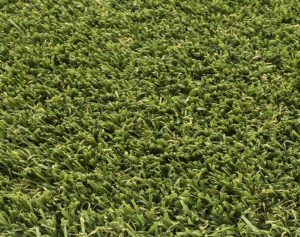
Yes, you can disinfect artificial grass — but you need to use the right products. A pet-safe artificial grass cleaner, enzyme cleaner or mild diluted cleaning solution is usually much safer than bleach or harsh household disinfectants.
Artificial grass is low maintenance, but it is not completely maintenance-free. If your lawn is used by dogs, children or regular foot traffic, bacteria, urine residue, food spills, algae and organic debris can build up over time.
🧼 Quick Answer: Can you use disinfectant on artificial grass?
- Yes – but use a pet-safe artificial grass disinfectant where possible
- Avoid bleach, chlorine and harsh household chemicals
- Always rinse the grass thoroughly after cleaning
- Use enzyme cleaners for dog urine smells
- Book a professional deep clean if smells keep coming back
Need Your Artificial Grass Properly Cleaned?
We clean, disinfect, brush and restore artificial grass for pet-heavy gardens, tired lawns and older installations that need more than a quick rinse.
🔑 Quick Takeaways
- Do not use bleach on artificial grass unless the manufacturer specifically says it is safe.
- Pet-safe disinfectants are usually the best option for routine cleaning.
- Dog urine smells need enzyme treatment, not just surface fragrance.
- Persistent smells usually mean deeper contamination in the pile, infill or base.
🧭 Jump to:
| 🧴 Can you use disinfectant? | ⚠️ Can you use bleach? |
| 🧪 What to use | 🐾 Dog urine and pets |
| 🧽 Step-by-step method | ⏱️ How often? |
| 🛠️ Professional cleaning | ❓ FAQs |
💡 Quick Answer: Artificial grass can be disinfected safely using a pet-safe artificial grass cleaner, an enzyme cleaner for urine, or a mild diluted solution followed by a thorough rinse. Avoid bleach, chlorine, solvents and harsh household disinfectants because they can damage fibres, backing and joins.
Can You Use Disinfectant on Artificial Grass?
Yes, you can use disinfectant on artificial grass, but it needs to be suitable for synthetic turf.
The safest option is usually a cleaner designed specifically for artificial grass, especially if the lawn is used by dogs, children or both.
A suitable disinfectant can help reduce:
- Bacteria from pet mess
- Urine residue
- Food and drink spills
- Musty smells
- Organic build-up from leaves and debris
The key is to clean first, disinfect second, and rinse properly afterwards. Disinfectant should not be used as a shortcut for removing mess, dirt or debris.
For general cleaning advice, read our guide on how to clean artificial grass.
Can You Use Bleach on Artificial Grass?
No — bleach is not recommended for artificial grass.
Bleach may seem like a quick way to disinfect the surface, but it can cause more problems than it solves. Harsh chemicals can affect the fibres, backing, adhesives and joins, especially if they are used repeatedly or not rinsed properly.
Avoid using:
- Bleach
- Chlorine-based cleaners
- Undiluted household disinfectants
- Solvent-based cleaners
- Strong abrasive products
If you have already used bleach once and rinsed it quickly, the lawn may be fine. But repeated bleach use is risky and not something we would recommend.
What Should You Use to Disinfect Artificial Grass?
The right cleaner depends on the problem you are trying to solve.
| Cleaner Type | Best For | Important Note |
|---|---|---|
| Pet-safe artificial grass disinfectant | Routine hygiene and family gardens | Usually the safest long-term option |
| Enzyme cleaner | Dog urine and organic smells | Needs time to break down residue |
| White vinegar and water | Light odours and occasional refresh | Not enough for serious contamination |
| Bleach or chlorine | Not recommended | Can damage fibres, backing and joins |
For most homeowners, a purpose-made artificial grass cleaner is the best place to start. If the issue is dog urine, choose an enzyme-based product rather than a general disinfectant that only masks the smell.
Disinfecting Artificial Grass After Dog Urine
Dog urine is one of the most common reasons people need to disinfect artificial grass.
The problem is not usually the grass itself. It is urine residue building up in the pile, infill or base, especially in warm weather or gardens used daily by pets.
For dog urine:
- Rinse regularly with water
- Use an enzyme cleaner for odours
- Allow the cleaner to dwell as instructed
- Rinse again if required
- Brush the pile once dry
If smells return quickly after cleaning, the problem may be deeper than the surface.
For more help, read our guides on how to clean pet urine from artificial grass and what to do if artificial grass smells of dog wee.
How to Disinfect Artificial Grass Step by Step
Follow this safe method for routine disinfection.
- Remove visible mess and debris – Clear leaves, food, dog mess and loose dirt first.
- Brush the surface – Lift the pile and loosen trapped particles.
- Rinse with water – Hose down the area to flush out light residue.
- Apply your chosen cleaner – Use a sprayer, watering can or product applicator.
- Allow dwell time – Follow the product instructions rather than rinsing immediately.
- Rinse thoroughly – Remove leftover cleaner from the fibres.
- Let it dry – Good airflow helps reduce lingering smells.
- Brush again if needed – This helps restore the pile.
Do not mix cleaning products. More chemical does not mean a cleaner lawn.
How Often Should You Disinfect Artificial Grass?
How often you disinfect artificial grass depends on how the lawn is used.
As a general guide:
- Light use with no pets: once or twice a year may be enough
- Children playing regularly: every few months
- One dog using the lawn daily: rinse often and disinfect monthly when needed
- Multiple dogs: more regular cleaning and periodic deep cleaning may be needed
A lawn that is rinsed, brushed and kept free from debris will usually need less heavy cleaning than one that is left for months at a time.
Is Artificial Grass Hygienic for Children?
Yes, artificial grass can be hygienic for children when it is cleaned and maintained properly.
For family gardens and play areas, focus on:
- Removing food spills quickly
- Cleaning up pet mess straight away
- Brushing high-use areas
- Using child-safe and pet-safe cleaners
- Rinsing after disinfecting
If the lawn is part of a school, nursery or playground, the cleaning routine should reflect how heavily the surface is used. You can learn more about suitable surfaces on our artificial grass for schools and nurseries page.
Common Disinfection Mistakes to Avoid
The most common mistakes include:
- Using bleach
- Using too much disinfectant
- Not rinsing properly
- Only masking smells with fragrance
- Ignoring drainage problems
- Leaving dog urine to build up in hot weather
- Never brushing the fibres
If you keep disinfecting but the lawn still smells, the problem may not be the surface. It may be the base, drainage, infill or trapped organic matter.
🛠️ Expert Insight: Disinfecting artificial grass is useful, but it should not replace proper cleaning. If dog urine, dirt or organic matter is trapped below the pile, surface disinfectant may only give temporary relief. That is when brushing, rinsing, enzyme treatment or deep cleaning becomes more important.
When Professional Cleaning Is Worth It
Professional cleaning is worth considering when the lawn needs more than routine surface care.
This may be the case if:
- The lawn smells even after cleaning
- Dog urine odour returns quickly
- The pile is flat or compacted
- The surface feels greasy or dirty
- Drainage seems slower than it used to be
- The grass has not been cleaned properly for years
Our artificial grass maintenance and repair service can help restore older lawns with brushing, cleaning, disinfection and practical checks.
If you are weighing up cost, read our artificial grass deep clean cost guide.
FAQs About Disinfecting Artificial Grass
Can you use disinfectant on artificial grass?
Yes, but use a pet-safe artificial grass disinfectant or suitable synthetic turf cleaner. Avoid harsh household chemicals.
Can you use bleach on artificial grass?
No. Bleach is not recommended because it can damage the fibres, backing, adhesives and joins.
Can you put bleach on artificial grass once?
It is still not recommended. If bleach has already been used, rinse the area thoroughly with water and avoid repeated use.
What is the best disinfectant for artificial grass?
A pet-safe artificial grass disinfectant is usually the best option for routine cleaning. For urine smells, use an enzyme cleaner.
How do you disinfect artificial grass after dog wee?
Rinse the area, apply an enzyme cleaner, allow it to dwell, rinse again if needed and brush the pile once dry.
Does rain disinfect artificial grass?
No. Rain can help rinse the surface, but it does not disinfect the grass or break down urine residue properly.
Is vinegar safe on artificial grass?
A mild vinegar and water solution can be used occasionally for light odours, but it is not a full replacement for proper artificial grass cleaner.
Why does my artificial grass still smell after disinfecting?
Persistent smells usually mean residue is trapped deeper in the pile, infill or base. Professional deep cleaning may be needed.
Need Your Artificial Grass Properly Disinfected?
From dog urine smells to tired, compacted lawns, we clean and restore artificial grass properly — not just cosmetically.
Keep Your Artificial Grass Fresh and Hygienic
Disinfecting artificial grass is safe when you use the right cleaner, avoid bleach and rinse the surface properly. For pet-heavy gardens, enzyme cleaners and regular rinsing are especially important.
At As Good As Grass, we install, maintain and restore artificial grass for homes, schools and commercial spaces. If your lawn needs more than a quick clean, explore our artificial grass maintenance and repair service or contact our team for advice.