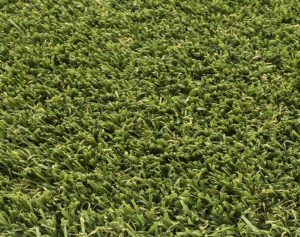
Yes, artificial grass can be installed in winter, provided the ground is not frozen, waterlogged or unsafe to work on. Cold air alone is not usually the issue. What matters most is whether the ground can be excavated, compacted and prepared properly.
In fact, winter can be a good time to install artificial grass if you want your garden ready before spring. The key is not rushing the groundwork when conditions are poor.
❄️ Quick Answer: Can artificial grass be installed in winter?
- Yes – artificial grass can be installed in winter
- Frozen or waterlogged ground may delay installation
- Drainage and base preparation matter even more in winter
- Winter installation can mean better availability before spring demand
- A properly installed winter lawn should last just as well as a summer install
Want Your Garden Ready Before Spring?
We install artificial grass throughout the year, with proper groundwork, drainage and honest advice on whether winter conditions are suitable for your garden.
🔑 Quick Takeaways
- Winter installation is possible when the ground is workable and safe.
- Frozen soil stops excavation and compaction, so installation may need to pause.
- Waterlogged ground is the bigger issue because the base cannot be prepared properly.
- Good winter installs depend on drainage, not simply laying the grass quickly.
🧭 Jump to:
| ❄️ Is winter a good time? | ⚠️ When weather stops work |
| Winter groundwork | 💧 Drainage |
| ✅ Benefits of winter installs | 🌱 Aftercare |
| 🐾 Dog owners | ❓ FAQs |
💡 Quick Answer: You can install artificial grass in winter as long as the ground can be excavated, compacted and drained properly. Cold weather is manageable, but frozen ground, standing water and saturated soil can delay the job.
Is Winter a Good Time to Install Artificial Grass?
Winter can be a perfectly suitable time to install artificial grass.
The main advantage is that you can get the messy work done while the garden is being used less. Then, when spring arrives, the lawn is already clean, green and ready to use.
Winter installation can work well if:
- The ground is not frozen solid
- The garden is not waterlogged
- The base materials can be compacted properly
- Access to the garden is safe
- The installation team can prepare the base to the right standard
A winter installation should not be treated as a shortcut. If anything, the groundwork needs more care because wet and cold conditions expose weak preparation quickly.
For a broader seasonal view, read our guide on the best time to install artificial grass.
When Winter Weather Stops Installation
There are times when winter weather can delay artificial grass installation.
Work may need to pause if:
- The soil is frozen and cannot be excavated
- The ground is too saturated to compact properly
- Standing water is sitting across the area
- Heavy snow or ice makes the site unsafe
- Adhesives or materials cannot be used correctly in the conditions
Cold air alone is usually not the problem. The real issue is whether the base can be built properly.
A good installer should never push ahead just to get the job done if the ground conditions are wrong.
How Winter Affects Groundwork
Groundwork is the most important part of artificial grass installation, whatever the season.
In winter, it becomes even more important because poor preparation is more likely to be exposed by:
- Heavy rain
- Freeze-thaw cycles
- Soft ground
- Slow drying times
- Reduced daylight for working
A proper installation usually involves removing the existing lawn, preparing the levels, installing a suitable sub-base, compacting it properly and finishing with a smooth screed layer before the grass is laid.
If the base cannot be compacted correctly, it is better to delay than risk future dips, movement or drainage problems.
For more detail, see our guide on how to prepare ground for artificial grass.
Drainage During Winter Installation
Winter is when drainage problems are easiest to spot.
If your garden already has:
- Puddles after rain
- Soft, sinking patches
- Clay-heavy soil
- Water collecting near the house
- Old lawn areas that never dry out
…those issues need addressing before the artificial grass is installed.
Artificial grass can create a cleaner surface, but it will not automatically fix poor drainage. The base underneath needs to let water move through and away properly.
This is why winter installations need a drainage-first approach. Our guide on what to put under artificial grass for drainage explains the base build-up in more detail.
Benefits of Installing Artificial Grass in Winter
Winter installation can actually be a smart choice for many homeowners.
| Winter Benefit | Why It Helps | What to Consider |
|---|---|---|
| Garden ready for spring | The lawn is finished before peak garden season | Weather can still affect timing |
| Less disruption | Most gardens are used less during winter | Access must still be safe and practical |
| Solves winter mud | Useful for dogs, children and wet lawns | Drainage needs to be handled correctly |
| Earlier planning | Avoids waiting until the spring rush | Book around weather flexibility |
Many customers choose winter because they want the garden sorted before the better weather arrives. It also means less time spent looking at a muddy, unusable lawn through the wettest months.
What to Expect After a Winter Installation
After a winter installation, your artificial grass may look slightly flatter at first, especially in cold conditions.
That is normal. Artificial grass is rolled before installation, and colder temperatures can make the fibres less flexible for a short time. Brushing the pile and allowing the grass to settle will help improve the finish.
After installation:
- Brush the pile if it looks flat
- Keep leaves and debris off the surface
- Let frost and snow melt naturally where possible
- Avoid scraping frozen grass with metal tools
- Check pet areas are rinsed when needed
For winter aftercare, read our guide on is artificial grass safe in winter?.
Winter Installation for Dog Owners
Dog owners often feel the benefit of artificial grass most during winter.
Natural lawns can become:
- Muddy
- Patchy
- Slippery
- Worn around favourite routes
- Difficult to clean after toilet use
A properly installed dog-friendly artificial lawn removes exposed soil and gives pets a cleaner surface to use.
The key is installing the lawn with good drainage and secure edges. Dog urine, rainwater and regular use all need to be considered from the start.
For more advice, visit our dog-friendly artificial grass page or read our guide on pet-friendly artificial grass for muddy paws.
Can You Leave Artificial Grass Out in Winter?
Yes. Artificial grass is designed to stay outside all year round.
Once installed, it can handle normal winter weather, including rain, frost and occasional snow. You do not need to roll it up, cover it or bring it indoors.
What you should do is:
- Remove leaves and debris
- Brush the pile occasionally
- Avoid metal tools on frozen grass
- Keep drainage areas clear
- Rinse pet areas if needed
For most homeowners, winter care is simple. The bigger priority is making sure the lawn was installed properly in the first place.
🛠️ Expert Insight: A winter artificial grass installation should never be rushed through poor ground conditions. Cold weather is manageable. Frozen, saturated or unstable ground is not. The difference between a good winter install and a bad one is usually the decision to wait when the base cannot be prepared properly.
FAQs About Installing Artificial Grass in Winter
Can you install artificial grass in winter?
Yes. Artificial grass can be installed in winter if the ground is workable, not frozen solid and not waterlogged.
Can artificial grass be laid in freezing temperatures?
Cold air is usually fine, but frozen ground is a problem. Installation should pause if the base cannot be excavated or compacted correctly.
Can you leave artificial grass out in winter?
Yes. Artificial grass is designed to stay outside all year round and does not need to be covered or removed during winter.
Does artificial grass drain properly in winter?
Yes, if it has been installed with the correct base and drainage. Poor drainage is usually a groundwork issue, not a turf issue.
Will winter installation affect how long artificial grass lasts?
No. A properly installed winter lawn should last just as well as one installed in spring or summer.
Is artificial grass slippery in winter?
It can become slippery if covered in frost, ice, algae or compacted debris, just like many outdoor surfaces. Keep it clean and avoid heavy use when frozen.
Is winter installation cheaper?
Not necessarily. Pricing usually depends on lawn size, access, groundwork and grass choice rather than the season. See our artificial grass cost guide for typical pricing factors.
Can pets use artificial grass after winter installation?
Yes. Once the lawn is installed and finished, pets can usually use it straight away.
Thinking About Installing Artificial Grass This Winter?
If you want your garden finished before spring, winter installation can be a smart move — as long as the ground conditions are right. We will give you a straight answer on what is suitable for your garden.
Plan a Winter Artificial Grass Installation
Artificial grass can be installed in winter, but the timing should be led by ground conditions rather than the calendar. If the base can be prepared properly, a winter installation can give you a cleaner, greener garden before spring arrives.
At As Good As Grass, we install artificial grass throughout the year for homes, schools and commercial spaces. Explore our artificial grass installation service or contact our team for honest advice.