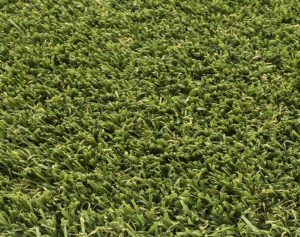
Noticing your artificial grass looking flatter during winter is common – and in most cases, completely normal. Cold temperatures affect how turf fibres behave, especially when combined with frost, moisture, and reduced brushing.
Quick Answer: Artificial grass can look flatter in winter because cold temperatures reduce fibre rebound, frost stiffens the pile, and foot traffic presses fibres down for longer.
- Cold weather slows fibre recovery
- Frost temporarily stiffens the pile
- Winter foot traffic has a bigger visual impact
For deeper help, see our artificial grass cleaning, maintenance and repair service.
Jump to:
- How Cold Weather Affects Artificial Grass Fibres
- What Frost and Ice Do to the Pile
- Why Winter Foot Traffic Makes Grass Look Flatter
- Should You Brush Artificial Grass in Winter?
- When Flat Grass Signals a Bigger Issue
How Cold Weather Affects Artificial Grass Fibres
Artificial grass fibres are designed to spring back upright – but temperature plays a big role in how quickly that happens. In winter, the colder air makes fibres less flexible.
This doesn’t damage the turf. It simply means the pile takes longer to recover after being walked on, especially overnight or during prolonged cold spells.
Why this matters: slower rebound can make a perfectly healthy lawn look tired, even though the structure underneath is still sound.
What Frost and Ice Do to the Pile
Frost temporarily stiffens the fibres, locking them in place until temperatures rise. This can exaggerate flat patches, especially in shaded or north-facing gardens.
Once the frost melts and the fibres warm up, most turf regains its shape naturally.
Important note: avoid brushing when the grass is frozen. Brushing stiff fibres can cause unnecessary stress on the pile.
Why Winter Foot Traffic Makes Grass Look Flatter
In summer, fibres bounce back quickly between uses. In winter, the same amount of foot traffic has a bigger visual impact.
| Condition | Effect on Pile |
|---|---|
| Cold temperatures | Reduced fibre flexibility |
| Repeated foot traffic | Pile stays compressed longer |
| Shaded areas | Slower drying and recovery |
This is most noticeable on paths, dog runs, and seating areas – all normal wear zones.
Should You Brush Artificial Grass in Winter?
Yes – but timing matters. Brushing is still the best way to lift the pile, even in winter.
Best winter brushing tips
- Wait until the grass is frost-free and dry
- Use a stiff broom or power brush designed for artificial turf
- Brush against the natural lay of the fibres
If the lawn looks heavily compacted or hasn’t been brushed in years, a professional clean can restore lift and appearance far more effectively. Our artificial grass maintenance and repair service is designed for exactly this.
When Flat Grass Signals a Bigger Issue
While winter flattening is usually harmless, there are cases where it highlights underlying problems.
Signs to investigate further
- Persistent standing water after rain
- Uneven or sinking areas underfoot
- Seams or edges becoming visible
These issues point to sub-base or drainage problems – not seasonal fibre behaviour. Correct ground preparation during professional artificial grass installation prevents this long term.
FAQs
These are the most common questions we hear from customers during the colder months. If your artificial grass looks different in winter, chances are it’s normal — but the answers below will help you spot when simple maintenance is enough and when it’s worth getting expert help.
Is flat artificial grass in winter permanent?
No. In most cases, the fibres recover as temperatures rise and brushing resumes.
Does frost damage artificial grass?
Quality turf is designed to handle frost. The fibres may stiffen temporarily but are not harmed.
Should I avoid walking on artificial grass in winter?
Normal use is fine. Avoid heavy use when frozen if possible, especially in high-traffic areas.
Will better-quality grass stay upright in winter?
Higher-quality fibres rebound better overall, but even premium turf can look flatter during cold spells.
Can poor installation make winter flattening worse?
Yes. Weak sub-bases and poor drainage exaggerate compression and slow recovery.
Restore Your Artificial Grass This Winter
If your lawn looks flat, tired, or uneven after cold weather, we can help. Our team provides professional cleaning, brushing, and repairs to bring artificial grass back to life – including full support across Manchester and the surrounding areas.