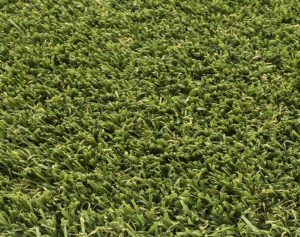
Artificial grass holds up far better than natural turf in winter – but cold snaps, frost, standing water and trapped debris can still affect how your lawn looks and performs. January is when most issues appear: moss growth accelerates, drainage slows, fibres stiffen, and frozen areas become more noticeable underfoot.
At As Good As Grass, we maintain and repair thousands of lawns every year. This guide covers the most common winter turf problems, how to fix them safely, and when a professional deep clean makes the biggest difference.
Quick Answer: Winter issues like frost, moss, algae and slow drainage are normal – and most are easy to fix at home.
- Frost: Leave to thaw naturally – don’t scrape or apply heat.
- Moss & algae: Caused by trapped moisture and debris – regular brushing prevents it.
- Drainage problems: Usually compacted infill or blocked backing holes.
- Frozen fibres: Avoid brushing until defrosted.
- Pet odours: More noticeable in winter due to slow evaporation.
For stubborn problems, our professional maintenance & repair service can restore drainage, revive fibres and remove winter buildup.
Jump to:
- Frost on Artificial Grass
- Moss, Algae & Winter Growth
- Winter Drainage Problems
- Winter Problems: Quick Fix Table
- Pet Odours in Cold Weather
- Winter Maintenance Checklist
- When You Need a Professional
- Winter FAQs
Frost & Frozen Fibres
January frost makes artificial grass blades feel stiff or crunchy – completely normal. The key is not forcing anything while the lawn is frozen.
What to avoid:
- Don’t brush frozen fibres
- Don’t apply hot water
- Don’t use metal tools
- Don’t try to break up ice
The correct fix:
- Let frost thaw naturally
- Brush gently once fully softened
- Avoid heavy foot traffic until thawed
Frequent frozen patches may indicate drainage compaction. A deep clean can help water pass through the base more evenly.
Moss, Algae & Slippery Surfaces
Winter moisture and low sunlight create the perfect conditions for moss and algae. This is the most common winter complaint for shaded or tree-covered areas.
What causes it:
- Organic debris breaking down
- Constant shade
- Trapped moisture in the infill
How to fix it:
- Remove leaves weekly
- Brush the turf to lift fibres
- Apply a winter-safe moss or algae treatment
- Rinse gently (avoid jet washing)
If the surface stays slippery, the infill is likely clogged. A professional clean removes deep moss and restores grip.
Winter Drainage Problems
Slow drainage in winter is usually harmless, but pooling water for more than 24–48 hours signals a deeper issue.
Common causes:
- Infill compaction
- Blocked drainage holes in the turf backing
- Organic buildup
- Flattened fibres preventing water dispersal
How to improve drainage:
- Brush the turf to loosen compacted fibres
- Remove debris from the surface
- Clear nearby gutters or run-off points
Persistent puddling is best solved with a sub-base inspection and deep clean.
Winter Problems: Quick Fix Table
Here’s a simple overview of the most common winter issues with artificial grass, what causes them, and the best fixes.
| Winter Problem | Likely Cause | Recommended Fix |
|---|---|---|
| Frozen or stiff grass | Natural frost on fibres | Let thaw naturally, avoid brushing until soft |
| Moss or algae | Trapped moisture + organic debris | Brush regularly, apply moss treatment, book deep clean |
| Slippery areas | Algae buildup in shaded zones | Use algae remover, improve airflow, restore drainage |
| Water pooling | Compacted infill or blocked drainage holes | Brush turf, clear debris, book a sub-base check |
| Pet smells | Slower evaporation in cold weather | Rinse weekly, enzyme cleaner, professional odour treatment |
Pet Odours in Winter
Cold weather slows evaporation, which means pet urine can linger longer than in warmer months. This is completely normal – and easy to manage.
Winter odour tips:
- Rinse weekly with warm water
- Use a pet-safe enzyme cleaner
- Brush fibres so liquids don’t sit in one spot
Persistent odours often indicate infill saturation – something our team can fix during a maintenance visit.
Winter Maintenance Checklist (Month-by-Month)
Winter maintenance doesn’t need to be complicated. A few small seasonal routines help prevent moss, flattening and drainage issues.
December: Early Winter Prep
- Remove fallen leaves and debris
- Light brushing to stop fibres matting before frost arrives
- Check for early signs of moss in shaded zones
January: Coldest Month Care
- Let frost thaw naturally – no brushing while frozen
- Rinse pet areas weekly to prevent odour buildup
- Monitor drainage after heavy rain or melting ice
February: Pre-Spring Revival
- Brush fibres to stand them upright after winter flattening
- Apply moss/algae treatment if needed
- Plan professional deep clean if the lawn looks dull or compacted
March: Ideal Time for Deep Cleaning
- Book a professional deep clean or repair
- Restore fibre height with power brushing
- Fix seams or edges lifted by frost movement
Flattening & Compaction
Rain, frost and foot traffic can cause fibres to compact more quickly in winter.
How to fix winter flattening:
- Brush against the pile weekly
- Add a light top-up of infill if required
- Avoid walking heavily on frozen areas
If your lawn looks permanently flat, a professional power brush can lift fibres instantly.
Winter Problems That Need a Professional
Most winter issues are quick DIY fixes, but some signs point to deeper sub-base or installation problems. These are best handled by a specialist.
- Water pooling for more than 48 hours – often caused by blocked drainage or compacted sub-base
- Moss or algae returning after treatment – indicates poor airflow or deeper moisture retention
- Seams lifting or edges curling – common after freeze–thaw cycles
- Matt fibres that won’t stand up – may need power brushing or infill redistribution
- Persistent pet odours – usually requires enzyme treatment + deep clean
Our team provides full cleaning, repair and aftercare services across the North West. Learn more here: Artificial Grass Maintenance & Repair
Artificial Grass Winter Care FAQs
Most winter issues with artificial grass are easy to fix once you understand what’s causing them. These are the questions homeowners ask most often during the colder months – from frost behaviour to drainage fixes and moss control. Here are the clear, practical answers.
Is it safe to walk on artificial grass when it’s frozen?
Yes, but heavy walking can compact fibres. Try to minimise foot traffic until thawed.
Can I use salt or de-icer on artificial grass?
No – it can damage the backing and block drainage. Leave frost to melt naturally.
Why does my artificial grass look shiny in winter?
Frozen fibres reflect more light. Once thawed and brushed, the matte finish returns.
How often should I clean my lawn in winter?
Brush lightly once a week and remove debris to prevent moss buildup.
When should I book a professional winter clean?
If you notice moss, drainage problems, slippery patches or persistent odours, January–March is ideal.
Need Help Fixing Winter Turf Problems?
We restore artificial grass in Manchester and across the North West – from moss removal and power brushing to drainage fixes and pet odour treatments.