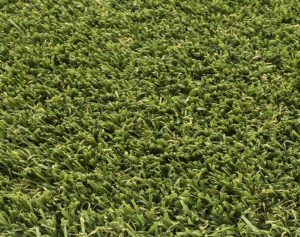
Mini golf course installation involves far more than simply rolling out turf. A good result depends on the layout, the base underneath, the type of surface being used, and how the whole area is designed to function once people actually start using it.
A simple putting zone for a garden is one thing. A branded or commercial mini golf install with multiple holes, edging, shaping and foot traffic is another.
This guide breaks down what is usually involved in mini golf course installation, what affects the complexity of the job, and what to expect if you are planning a project of your own.
⛳ Quick Reference: What’s Involved in Mini Golf Installation?
| Stage | What Happens | Why It Matters |
|---|---|---|
| Planning | Layout, shape, use and goals are defined | Sets the whole project up properly |
| Groundworks | Base is prepared, levelled and stabilised | Creates a playable surface |
| Surface installation | Golf turf is cut, fitted and finished | Determines play quality and finish |
| Features and finishing | Edges, cups, obstacles and details are added | Turns turf into an actual mini golf area |
Planning a Mini Golf Course or Crazy Golf Area?
We install mini golf and crazy golf turf for homes, venues and commercial spaces, with advice on layout, surface choice and the right level of finish for your project.
🔑 Quick Takeaways
- Mini golf installation starts with layout and base prep, not just turf choice.
- A playable finish depends on the groundwork underneath as much as the surface on top.
- Indoor, outdoor, domestic and commercial installs all come with different requirements.
- Custom shapes, edging, cups and features are what turn a turf area into a proper mini golf setup.
🧭 Jump to:
| ⛳ What’s Involved? | 📐 Planning the Layout |
| 🛠️ Groundworks & Base Prep | 🌱 Choosing the Surface |
| 🏢 Indoor vs Outdoor | ❓ FAQs |
💡 Quick Answer: Mini golf course installation usually involves planning the layout, preparing the base, choosing the right golf turf, fitting the surface properly, and adding details like edges, cups, and features that make the course usable and visually complete.
What Is Involved in Mini Golf Course Installation?
Mini golf course installation is really a combination of design, groundwork and surface fitting.
Even a relatively simple project usually involves:
- Working out the layout
- Preparing a stable base
- Selecting the right turf
- Cutting and fitting the surface neatly
- Adding edges, holes, features or obstacles
That is why the process varies so much from one project to another.
A small garden putting feature may be quite straightforward. A bespoke crazy golf installation for a venue or commercial space will usually involve more planning, more shaping, and a much more detailed finish.
If you are still deciding whether the overall project is viable, our mini golf turf installation cost guide is the best companion piece to this one.
Planning the Layout and Purpose
Before any installation starts, the most important question is simple:
What is the mini golf area actually for?
That affects everything else.
Garden mini golf vs commercial crazy golf
A domestic mini golf feature is usually about fun, appearance and ease of use.
A commercial install may need to cope with:
- Much heavier foot traffic
- More players
- Branding or themed design
- Greater durability requirements
That means the layout, base and surface specification may all need to change depending on the use case.
Simple putting area vs full mini golf course
Not every project needs multiple holes, contours and elaborate features.
Some jobs are more about:
- A practice putting space
- A compact one- or two-hole feature
- A visual attraction within a wider outdoor area
Others need to function as a proper mini golf course. That is where design detail becomes much more important.
Space, shape and access
The available space also affects what is realistic. Narrow areas, awkward shapes, indoor sites, roof terraces or high-traffic venues all need a slightly different approach.
That is why good mini golf installation starts with the layout – not the turf sample.
Groundworks and Base Preparation
This is one of the most important parts of the whole project.
Mini golf turf only plays well if the base underneath is properly prepared. If the sub-base is poor, uneven or unstable, the finished surface will never feel right no matter how good the turf itself is.
What base prep usually involves
Depending on the site, this may include:
- Excavation and levelling
- Waste removal
- Sub-base installation
- Compaction and stabilisation
- Fall and drainage planning where needed
For some indoor or hard-surface projects, less groundwork may be needed. For outdoor builds on soil or uneven ground, base prep becomes a much bigger part of the installation.
Why the base matters so much
Mini golf is more demanding than a purely decorative turf area because:
- The ball needs to roll consistently
- The finish needs to feel stable underfoot
- Edges, cups and shaped sections need reliable support
If the base is wrong, the whole project feels wrong.
⛳ Installer Insight: On mini golf projects, the turf gets the attention – but the groundwork is what decides whether the surface actually feels good to play on.
Choosing the Right Mini Golf Surface
Once the base is right, the next decision is the surface itself.
Not all artificial grass is suitable for mini golf.
A proper mini golf surface usually needs:
- A shorter or tighter pile for cleaner ball roll
- Consistent density across the surface
- Enough durability to cope with foot traffic
- A finish that suits the look of the project
Some installs may also use different surrounding turf for borders or decorative sections, especially where the aim is to blend playability with a more finished landscape design.
If you want the deeper breakdown on this, our best artificial grass for mini golf or crazy golf guide covers surface choice in more detail.
Installing the Turf Properly
Once the layout is finalised and the base is ready, the surface itself can be cut and installed.
This stage often includes:
- Setting out the turf to the planned layout
- Cutting shaped sections
- Seaming and joining where needed
- Fitting around edges, cups and features
- Finishing the surface neatly for both appearance and play
This is where mini golf becomes much more detailed than a standard rectangular lawn job. The more bespoke the shape, the more careful the cutting and finishing has to be.
Edges, Cups and Course Features
What turns turf into mini golf is not just the surface itself – it is the details built into it.
That may include:
- Cup holes
- Flag positions
- Raised edges or borders
- Ball-stop features
- Shaped returns or pathways
- Decorative or themed obstacles
Some projects keep this quite simple. Others become far more bespoke and design-led. Either way, this is usually the stage that separates a “golf-themed area” from an actual mini golf install.
Indoor vs Outdoor Mini Golf Installation
Mini golf installations can work both indoors and outdoors, but the process is not exactly the same.
Indoor mini golf installation
Indoor projects can sometimes be simpler from a groundwork perspective if the surface underneath is already flat and usable.
But they may need more thought around:
- Access
- Tight fitting around walls or structures
- How the installation integrates with the wider venue
Outdoor mini golf installation
Outdoor projects often need more groundwork and planning around:
- Drainage
- Levels
- Weather exposure
- Durability over time
That is why outdoor mini golf usually involves more site-specific prep, even when the finished idea looks fairly simple.
Home vs Commercial Mini Golf Installation
The same word – “mini golf” – can describe very different jobs.
Domestic installations
These are often:
- Smaller
- Simpler
- More focused on fun and appearance
- Part of a wider garden project
Commercial installations
These usually need:
- Stronger wear performance
- More detailed planning
- Sharper finishing
- Better traffic handling
- More bespoke layout work
For venue-led projects, it also makes sense to explore our commercial artificial grass page.
What Makes Mini Golf Installation More Complex?
A few things tend to increase complexity quickly:
- Multiple holes
- Tight or awkward site layouts
- Indoor venue constraints
- Custom branding or themed features
- Edging, shaping and decorative elements
- Poor existing ground conditions
That is why mini golf installation is usually better thought of as a bespoke project rather than a one-size-fits-all product.
Frequently Asked Questions About Mini Golf Course Installation
Still working out what a mini golf project would actually involve? Here are some of the most common questions people ask before getting started.
What is involved in mini golf course installation?
Mini golf course installation usually includes layout planning, ground preparation, choosing the right turf, fitting the surface properly, and adding details like cups, edges and course features.
Do mini golf installations need groundwork?
In many cases, yes. Outdoor mini golf areas especially need a stable, well-prepared base if the surface is going to play properly and last well.
Can mini golf be installed indoors?
Yes. Indoor mini golf can work very well, especially where there is already a suitable hard base, although access and layout still need careful planning.
How is mini golf different from a normal artificial grass install?
Mini golf usually involves more detailed layout work, a more specialist surface, and extra features like cups, shaped edges and play-specific finishing.
Can you build a mini golf area in a garden?
Absolutely. Domestic mini golf installations are often smaller and simpler than commercial builds, but the same principles still apply around layout, base quality and surface choice.
Do I need specialist mini golf contractors?
It helps to use installers who understand both artificial turf fitting and the practical demands of a mini golf surface, especially if the project is bespoke or commercially led.
Get Advice on Your Mini Golf Installation
Whether you are planning a home putting feature, an indoor mini golf area, or a larger bespoke commercial project, we can help you choose the right surface and installation approach.
Final Thoughts on Mini Golf Course Installation
Mini golf installation is at its best when the surface, layout and build quality all work together. The turf matters, but so do the base, the details and the intended use of the space.
That is why the process should always start with the question: what is this area meant to do?
Once that is clear, the installation becomes much easier to shape around the project properly.