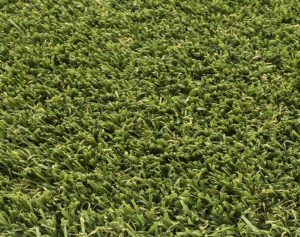
Lumpy artificial grass usually points to a problem underneath the surface, not just the grass itself. If your lawn feels uneven underfoot, has visible dips or raised spots, or seems to have become bumpier over time, there is normally a reason for it. In some cases, the issue is minor and can be improved with brushing or local repair work. In others, the real cause is a poor base, bad compaction, weak edges, or drainage-related movement below the turf. The key is working out what is actually causing the lumps before trying to fix them.
🛠️ Quick Answer: How do you fix lumpy artificial grass?
- Check whether the problem is in the pile or the base underneath
- Brush the grass to lift flattened areas and reveal the true shape underneath
- Inspect for dips, soft spots, raised sections, or edge movement
- Minor lumps may be repairable, but serious unevenness often means the base needs correcting
- If the lawn keeps becoming lumpy, the original installation may be the real issue
Need Help Fixing a Lumpy Artificial Lawn?
We repair, restore, and replace artificial grass where needed – including lawns affected by movement, poor drainage, bad edges, and uneven groundwork. If your lawn does not feel right, speak to our team today.
🔑 Quick Takeaways
- Lumpy artificial grass is often a base issue, not just a surface issue.
- Brushing may help flattened pile, but it will not fix sinking or poor levels underneath.
- Recurring lumps usually point to movement, weak compaction, or drainage problems.
- Some lawns can be repaired, but others need partial or full reworking to fix the real cause.
🧭 Jump to:
| 🔍 Why artificial grass becomes lumpy | 🪴 Can it be fixed? |
| 🧱 How to tell if the base is the problem | 💧 Lumps, dips and drainage |
| ⚠️ Common mistakes | ❓ FAQs |
💡 Quick Answer: To fix lumpy artificial grass properly, you first need to identify whether the issue is just flattened pile or whether the sub-base underneath has moved, settled, or been installed badly. Minor surface issues may be improved, but deeper lumps usually require repair to the base or perimeter.
Why Artificial Grass Becomes Lumpy
Artificial grass usually becomes lumpy for one of two reasons:
- The pile has flattened and the lawn looks tired on the surface
- The base underneath has moved, sunk, or was never level in the first place
That difference matters because the fix is not the same.
A flattened lawn may just need brushing, cleaning, or maintenance. A lawn with genuine lumps, dips, or soft spots is much more likely to have a problem with the groundwork or perimeter.
Common causes include:
- Poor compaction during installation
- Badly prepared sub-base
- Sinking or settlement over time
- Drainage problems underneath
- Weak edges allowing movement
- Installing the grass over an uneven surface and hoping it would hide it
If that last point sounds familiar, our guide on how to lay artificial grass on uneven ground explains why that approach usually catches up with people.
Is Lumpy Artificial Grass Always a Bad Sign?
Not always – but it is usually worth investigating.
Sometimes the lawn just needs:
- A proper brush-up
- Debris removal
- Minor maintenance after flattening
But if the lumps feel structural rather than cosmetic, that usually means something underneath has shifted or was never right to begin with.
Good questions to ask are:
- Does the lawn feel soft or uneven underfoot?
- Has it got worse over time?
- Do the lumps appear after rain?
- Are the edges or corners also moving?
If the answer to any of those is yes, the issue probably goes deeper than the pile itself.
Can You Fix Lumpy Artificial Grass?
Sometimes, yes.
The right answer depends on what is causing the problem.
A) When Brushing Might Help
If the issue is mostly flattened pile rather than a moving base, brushing can improve the look and feel of the lawn.
This is more likely when:
- The lawn has heavy foot traffic
- Garden furniture has sat in one spot
- The pile has become matted rather than the base becoming uneven
In those cases, the lawn can look lumpier than it really is until the pile is lifted again.
B) When Local Repairs Might Help
Some lawns can be improved with targeted repair work, especially if the issue is limited to:
- A small sunken area
- A weak edge
- A corner that has lifted and caused movement nearby
- A single awkward patch rather than the whole lawn
That is where our artificial grass maintenance and repair service becomes relevant.
C) When the Base Needs Reworking
If the artificial grass is genuinely lumpy across larger areas, or keeps becoming uneven again after temporary fixes, the base is often the real problem.
That may mean:
- Lifting sections of the lawn
- Rebuilding the sub-base
- Recompacting weak areas
- Correcting drainage issues
- Refitting the turf properly afterwards
This is especially common where the original install cut corners on excavation, materials, or compaction.
| Problem | Likely Cause | Possible Fix |
|---|---|---|
| Flattened, tired-looking pile | Wear, furniture, lack of brushing | Brush and maintain |
| Small localised dip | Settlement or weak spot | Targeted local repair |
| Multiple lumps across the lawn | Poor base preparation | Partial or full rework |
| Unevenness with puddling | Drainage and level issues | Base and drainage correction |
How to Tell If the Base Is the Problem
If the lawn is genuinely uneven underfoot, the base is often where the real issue sits.
Signs the base may be the problem include:
- Soft or sinking areas
- Dips that seem to deepen over time
- Raised ridges that do not disappear with brushing
- Movement near edges, joins, or corners
- Lumps appearing alongside drainage issues
This often ties back to earlier stages of the installation:
- not enough excavation
- poor sub-base material
- weak compaction
- bad screed levels
That is why this blog also supports the whole install cluster:
- How to prepare ground for artificial grass
- What sand should you use for artificial grass
- What to put under artificial grass for drainage
Can You Fix Lumps Without Lifting the Grass?
Sometimes, but not always.
If the issue is only superficial, you may be able to improve the lawn without lifting it. But if the lump is caused by the base, there is usually a limit to what surface-only fixes can achieve.
That means:
- Surface maintenance can help cosmetic issues
- Sub-base problems usually need deeper access
This is one of the biggest reasons some “quick fixes” only work for a short time before the lawn starts looking uneven again.
Lumps, Dips and Drainage Problems
Lumpy lawns and drainage issues often go together.
Where water regularly gathers, the surface can become:
- Soft
- Sunken
- Unstable
- More prone to movement over time
That is especially true in heavier-use or wetter gardens, and it is one reason proper drainage underneath matters so much. If the lawn is lumpy and also puddles, drainage should be high on the suspect list.
This is also why the topic supports local pages like artificial grass in Bury so well. In wetter North West conditions, weak groundwork tends to get exposed quickly.
Can Dogs or Heavy Use Make Artificial Grass Lumpy?
They can contribute, especially if the lawn was already borderline to begin with.
Heavy use from:
- Dogs
- Children
- Frequent foot traffic
- Furniture pressure
…can expose weaknesses in the base and edges more quickly.
That does not mean artificial grass is a bad choice for busy gardens. It usually means the lawn needed a stronger install in the first place. That is why this topic also supports our dog-friendly artificial grass page.
🛠️ Expert Insight: A genuinely lumpy artificial lawn is usually a clue, not the core problem. In many cases, the visible lump is just the symptom of bad levels, poor compaction, movement, or drainage issues underneath.
Common Mistakes When Trying to Fix Lumpy Artificial Grass
The most common mistakes include:
- Assuming brushing will fix structural lumps
- Ignoring soft or sinking spots
- Trying to hide bad levels rather than correct them
- Focusing only on the surface and not the base
- Delaying repairs until the movement gets worse
These mistakes usually lead to:
- Temporary improvement at best
- Repeat lumps later
- More expensive repairs down the line
When Is Replacement Better Than Repair?
Replacement may make more sense when:
- The lawn is lumpy across a wide area
- The base is poor throughout
- There are multiple problems at once, such as lumps, lifting edges, and poor drainage
- The turf itself is also worn out
In those situations, a proper reinstall is often a better investment than repeatedly patching a bad original job. That is where our artificial grass installation page becomes the natural next step.
FAQs About Fixing Lumpy Artificial Grass
If your lawn feels uneven or no longer looks right, these are the questions people usually ask next. The answers below cover brushing, drainage, base movement, and when repair stops being enough.
Why is my artificial grass lumpy?
Usually because of either flattened pile or movement in the base underneath. If the lawn feels structurally uneven underfoot, the base is often the real issue.
Can brushing fix lumpy artificial grass?
It can help if the problem is just flattened pile, but it will not properly fix dips, soft spots, or poor levels caused by the base underneath.
Do lumps in artificial grass mean bad installation?
Not always, but they often point to poor preparation, weak compaction, or a base that was not built correctly in the first place.
Can you repair a small sunken patch in artificial grass?
Sometimes, yes. A localised repair may be possible if the issue is limited and the rest of the lawn is sound.
Why does my artificial grass get lumpier after rain?
That often suggests drainage or base movement issues. Water can expose soft spots, settlement, and weak groundwork underneath the lawn.
When should I replace rather than repair lumpy artificial grass?
If the unevenness is widespread, keeps returning, or comes with other issues like lifting edges and drainage problems, replacement may be the better long-term fix.
Need a Proper Fix for a Lumpy Lawn?
We inspect, repair, and replace artificial grass where needed – including lawns with dips, soft spots, poor drainage, and weak base preparation. If your lawn feels wrong underfoot, speak to our team today.
Get Expert Help Fixing Lumpy Artificial Grass
Lumpy artificial grass is usually a sign that something underneath needs attention. Sometimes that means simple maintenance. Sometimes it means repair work. And sometimes it means the original install needs rethinking properly.
At As Good As Grass, we help homeowners figure out what is actually causing the problem before recommending the right fix. If your artificial lawn has become uneven, soft, or bumpy, get in touch with our team for honest advice.