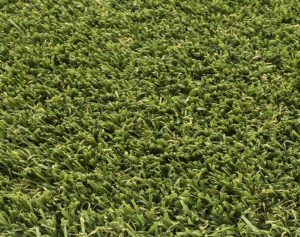
Securing artificial grass properly is one of the most important parts of the installation. A lawn can have decent grass, a tidy finish, and even a solid base underneath – but if the edges, joins, and perimeter are not fixed correctly, problems usually start showing up sooner rather than later.
Lifting corners, loose edges, movement underfoot, and messy seams are all common signs that the turf has not been secured well enough. Whether you are planning a self-install or just want to understand how the job should be done properly, the goal is simple: keep the grass stable, neat, and long-lasting from day one.
🔩 Quick Answer: How do you secure artificial grass?
- Secure the perimeter to a solid edge or fixing point
- Use the right fixing method for the surface underneath
- Join sections properly with seaming materials where needed
- Make sure the base is stable and compacted before fixing anything down
- Pay extra attention to corners, edges, slopes, and high-traffic areas
Want Artificial Grass Secured Properly the First Time?
We install artificial grass with the right groundwork, edging, joins, and perimeter fixing for a long-lasting finish. If you want expert help rather than guesswork, speak to our team today.
🔑 Quick Takeaways
- Artificial grass should be secured at the perimeter, not just dropped into place.
- The right method depends on the base – timber, concrete, soil prep, or other surfaces all differ.
- Loose edges and weak corners are often the first places bad installs fail.
- A strong base still matters, because movement underneath can affect the fixings above.
🧭 Jump to:
| 🧱 Why securing it matters | 🛠️ How to secure it properly |
| 📍 What do you secure it to? | 📌 How to secure artificial grass edges |
| 🐾 How to stop edges lifting | ⚠️ Common mistakes |
| 🧰 Is it a DIY job? | ❓ FAQs |
💡 Quick Answer: Artificial grass is usually secured by fixing the perimeter and edges to a stable boundary, joining sections properly where required, and making sure the base underneath is compacted and finished correctly before the turf is laid.
Why Securing Artificial Grass Matters
A lot of people think the weight of the turf, sand infill, or garden furniture will hold artificial grass in place on its own. In reality, the lawn still needs proper perimeter fixing and a stable base underneath if you want it to stay neat over time.
Securing the grass properly helps:
- Stop edges lifting
- Reduce movement underfoot
- Keep joins neat and aligned
- Protect corners and high-traffic areas
- Make the lawn look tidier for longer
This matters even more in family gardens, dog-friendly lawns, and areas where the grass will see regular use. A lawn that is not secured well enough tends to look tired much faster, even if the turf itself is decent quality.
How to Secure Artificial Grass Properly
The correct method depends on what sits underneath and what the perimeter is finishing against. But the general principle stays the same: the grass should be fixed neatly and firmly around the edges and properly joined where separate sections meet.
Step 1: Build a Proper Base First
Before worrying about fixings, the groundwork underneath must be right.
That means:
- A well-prepared sub-base
- Good compaction
- Correct levels
- A tidy final screed layer
If the ground moves underneath, it can affect the perimeter and make the lawn pull, ripple, or lift later. That is why securing starts with the groundwork, not just with what happens at the edge. Our guides on how to prepare ground for artificial grass and what to put under artificial grass for drainage are worth reading alongside this one.
Step 2: Create a Suitable Perimeter to Fix To
Artificial grass needs something solid or reliable to finish against around the perimeter.
That could include:
- Timber edging
- Concrete edging
- Patio or paving edges
- Other firm fixed boundaries
The important thing is that the perimeter is stable and suited to the fixing method being used. A weak or badly installed edge makes it much harder to keep the turf secure long-term.
Step 3: Use the Right Fixing Method for the Surface
Not every lawn is secured the same way.
For example:
- Where timber edging is present, mechanical fixing methods may be suitable
- Where the turf finishes against concrete or paving, adhesive-based approaches may be more appropriate
- Where sections of grass need joining together, proper seaming materials should be used
The key thing is matching the fixing method to the actual installation, rather than using a one-size-fits-all approach. If you are also dealing with seams between multiple pieces of turf, our guide on how to join artificial grass is worth reading alongside this one.
Step 4: Secure Corners, Edges and Joins Carefully
These are the areas most likely to fail if the job is rushed.
Pay particular attention to:
- Corners where lifting often starts
- Edges where the lawn meets paths, borders, or patios
- Joins between separate pieces of turf
- High-traffic access points
A lawn that looks tidy in the middle but weak around the edges will not stay looking sharp for long.
Step 5: Check for Movement Before Finishing
Before calling the job done, make sure the grass is lying neatly, the perimeter feels stable, and there are no obvious loose areas likely to cause trouble later.
This is especially important if the lawn:
- Sits on a slope
- Has awkward corners
- Will be used by pets
- Has multiple joins
| Area | Why It Needs Attention | What Can Go Wrong If Ignored |
|---|---|---|
| Edges | Main fixing line around the lawn | Lifting, fraying, messy finish |
| Corners | High-risk spots for movement | Peeling, curling, trip risk |
| Joins | Need accurate alignment and support | Visible seams, separation |
| Access points | Higher foot traffic | Premature wear and shifting |
What Do You Secure Artificial Grass To?
In most cases, artificial grass is secured to a stable perimeter or edge rather than being fixed randomly across the middle of the lawn.
That edge might be:
- A timber frame
- A firm solid border
- A patio edge
- Another secure boundary built into the installation
The right fixing method depends on what the grass is finishing against. Timber, paving, concrete, and other edge details can all require slightly different approaches, which is why a proper edge detail matters just as much as the grass itself.
This is also why the next logical companion topic after this is edging — because the way the lawn finishes around the outside affects both appearance and long-term durability.
How to Secure Artificial Grass Edges
Artificial grass edges need special attention because they are usually the first place movement becomes visible.
To secure edges properly:
- Make sure the perimeter is stable and suitable for fixing
- Use the right fixing method for the surface underneath
- Keep the edge neat and tension-free rather than forcing it into place
- Check corners, exposed borders, and access points carefully
If the edge detail is weak, the lawn can start lifting even when the middle still looks fine. That is why edge fixing is one of the most important parts of the whole install.
Do You Need to Secure Artificial Grass If It Is a Small Area?
Usually, yes.
Even on smaller areas, the edges and corners still matter. A compact lawn can still lift, shift, or look untidy if it has not been fixed down properly. Smaller installs can actually show poor finishing more quickly, because everything is visible at close range.
So while the fixing approach may be simpler on a smaller space, it still needs doing properly.
How Do You Stop Artificial Grass Edges Lifting?
Lifting edges are usually caused by one of four things:
- A weak or unsuitable perimeter
- Poor fixing method
- Movement in the base underneath
- Heavy use or pets pulling at corners
To reduce the risk:
- Make sure the edge is stable
- Use the correct fixing method for that edge
- Check the base is solid and compacted
- Pay extra attention to exposed corners and access points
- Do not rely on the weight of the grass alone to keep it down
This is particularly important for dog-friendly artificial grass, where corners and edges can be the first places curious dogs start pulling at the surface.
Can Poor Securing Be Repaired Later?
Sometimes, yes.
If the main lawn and base are otherwise sound, it may be possible to repair:
- Loose edges
- Lifting corners
- Failing joins
- Small movement issues
But if the real problem is poor groundwork, weak edging, or multiple failures across the lawn, repair may only be a short-term fix.
That is where our artificial grass maintenance and repair page becomes relevant. Sometimes a repair is sensible. Sometimes the bigger issue needs addressing properly. If the main issue is poor installation quality more broadly, it is also worth reading how to spot a bad artificial grass installation.
Why Securing Matters Even More in Busy Gardens
High-use lawns expose weak fixing much faster.
That includes:
- Family gardens
- Dog-used lawns
- Gardens with regular furniture movement
- Smaller urban plots where edges get more concentrated wear
This also makes it a useful support topic for local pages. In busier residential areas such as Bury and across Greater Manchester, customers are not just buying turf – they are buying a lawn that needs to hold up to real life.
🛠️ Expert Insight: A secure lawn is not just about what holds the grass down – it is about the whole install working together. Strong edges, proper joins, and a stable base all matter. If one part is weak, that is often where problems start.
Common Mistakes When Securing Artificial Grass
The most common mistakes include:
- Not creating a solid edge to fix to
- Using the wrong fixing method for the surface
- Rushing corners and joins
- Ignoring movement in the base underneath
- Assuming weight alone will hold the lawn in place
These mistakes often lead to:
- Lifting edges
- Visible seams
- Ripples or movement
- A lawn that looks tired too quickly
If you are comparing installers, this is one of the areas worth asking about in detail – because a tidy photo on day one does not always tell you how well the lawn is actually secured.
Is Securing Artificial Grass a DIY Job?
It can be, especially on straightforward domestic areas, but it depends on the shape of the lawn, the type of perimeter, and how confident you are with the prep and finishing.
DIY tends to be more realistic when:
- The garden is a simple shape
- The base is already well prepared
- The perimeter is clear and stable
- There are few or no awkward joins
It becomes less forgiving when:
- The area is irregular
- The lawn sits on a slope
- The edges are awkward
- There are multiple seams and corners
If you want the peace of mind that everything is secured properly from the start, our artificial grass installation service is the best next step. If you are still planning a self-fit, our guide on how to install artificial grass is a useful place to start.
FAQs About How to Secure Artificial Grass
If you are working out the best way to keep your lawn stable and tidy, these are the questions people usually ask next. The answers below cover edges, small lawns, repairs, and how securing relates to the base underneath.
How is artificial grass secured?
Usually by fixing the perimeter to a stable edge or suitable boundary, joining separate sections properly, and making sure the base underneath is prepared and compacted correctly first.
How do you secure artificial grass edges?
By finishing the lawn against a stable perimeter and using the right fixing method for that surface. Edges should be neat, supported, and properly secured rather than left loose.
Do you need to secure all edges of artificial grass?
In most cases, yes. The perimeter is where movement usually starts, so edges should be finished and secured properly rather than left loose.
Will artificial grass move if it is not secured properly?
It can. Poorly secured grass is more likely to lift at the edges, shift slightly, or develop untidy movement over time.
Can you repair loose artificial grass edges?
Sometimes, yes. If the main installation is otherwise sound, local repairs may be possible. If the base or perimeter is poor throughout, a bigger fix may be needed.
What causes artificial grass corners to lift?
Usually weak perimeter fixing, poor edging, movement in the base, or repeated traffic and wear in exposed areas.
Does securing artificial grass matter in dog-friendly gardens?
Yes, very much. Dogs can be rough on corners and edges, so stable perimeter fixing is especially important on pet-friendly lawns.
Want a Lawn That Stays Secure and Looks Smart?
We install artificial grass with proper perimeter fixing, tidy joins, and the right finish for your garden. If you want it done properly from the ground up, speak to our team today.
Get Expert Help Securing Artificial Grass Properly
Securing artificial grass properly is one of those details that makes a big difference over time. When the perimeter, joins, and base are all handled well, the lawn stays neater, feels more stable, and stands up better to real use.
At As Good As Grass, we install artificial lawns with proper groundwork, proper edge detailing, and a finish designed to last. If you want expert help with a new lawn or an existing one that is starting to lift or move, take a look at our artificial grass installation service or get in touch with our team today.