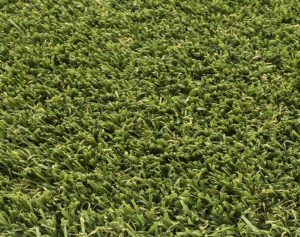
Most gym flooring decisions come down to how a space is actually used.
From sled pushes and functional training to stretching zones and sprint lanes, the flooring inside a gym directly affects safety, durability, and how the space is actually used.
That’s why artificial grass is increasingly being used in gyms, PT studios, and indoor training facilities – not as decoration, but as a practical performance surface.
This guide explains when artificial grass works well indoors, where it falls short, and what needs to be considered before installing it in a gym or training space.
💡 Quick Answer: Yes – artificial grass can work very well in gyms and indoor training spaces when used for functional zones, sled tracks, and conditioning areas. It must be installed with the correct base, fixings, and turf type to handle impact, friction, and heavy use.
🧭 Jump to:
| 🏋️ Why Gyms Use Artificial Grass | 🧠 Where It Works Best |
| ⚠️ Where It’s Not Suitable | 🔧 Installation Considerations |
| 🧼 Cleaning & Maintenance | ❓ FAQs |
Why Do Gyms Use Artificial Grass?
Artificial grass isn’t used across entire gyms – it’s typically installed in specific functional zones where rubber flooring isn’t ideal.
Common reasons gyms choose it include:
- Improved grip for sled pushes and pulls
- Defined training lanes for sprinting or conditioning work
- Reduced noise compared to hard flooring
- Visual separation between lifting and functional areas
For PT studios and performance gyms, artificial grass also helps create a distinct, professional look – without compromising function.
Where Artificial Grass Works Best in a Gym
Artificial grass performs best in areas designed for dynamic movement rather than static loading.
Typical applications include:
- Sled tracks and push/pull lanes
- Functional training zones (lunges, agility drills, mobility work)
- Warm-up and conditioning areas
- Indoor sprint lanes
In these zones, the turf provides traction and comfort while protecting the surface underneath.
Where Artificial Grass Is Not Suitable
Artificial grass is not a universal gym flooring solution.
It should not be used:
- Under heavy free-weight racks
- In Olympic lifting platforms
- Where equipment applies sustained point loads
- In areas requiring high shock absorption for drops
In these areas, rubber tiles or dedicated lifting platforms are far more appropriate.
Key Installation Considerations for Indoor Spaces
Installing artificial grass indoors is very different from a garden installation.
Key considerations include:
- Sub-base stability – usually concrete or screed
- Secure fixing to prevent movement during sled work
- Low-pile, high-density turf designed for wear
- Seam placement outside of high-friction zones
Purpose-led installation is essential – poor fixing or the wrong turf choice can lead to rippling, wear, or safety issues.
Why Turf Type Matters in Gym Environments
Not all artificial grass is suitable for indoor training spaces.
Gyms typically require shorter-pile, high-density turf designed to handle friction from sleds, footwork, and repeated directional changes. Softer, longer-pile garden grass can flatten quickly, wear unevenly, or feel unstable under load.
Choosing the correct turf helps:
- Maintain consistent grip during movement
- Reduce premature wear in high-use lanes
- Prevent rippling or fibre collapse over time
This is why gym installations should always be specified for performance — not appearance alone.
How Much Does Artificial Grass Cost for Gyms?
The cost of artificial grass for a gym or indoor training space depends less on appearance – and more on durability, fixing method, and intended use.
Unlike garden lawns, gym installations typically use:
- Low-pile, high-density turf designed for friction
- Stronger backing to handle repeated movement
- More secure fixing to prevent creep or lifting
As a rough guide:
- Home gym or light-use training area: lower overall cost due to smaller area and simpler fixing
- Commercial gyms or PT studios: higher specification materials and installation standards
For a full breakdown of pricing factors – including turf types, installation methods, and long-term value – see our detailed guide on how much artificial grass costs.
Home Gyms vs Commercial Gym Installations
Artificial grass can work well in both home and commercial gym environments – but the requirements are different.
Artificial Grass for Home Gyms
For garages, garden rooms, and indoor training spaces at home, artificial grass is often used for:
- Stretching and mobility zones
- Functional training areas
- Light sled or conditioning work
In these settings, installation is usually simpler and tailored around the existing floor. Learn more about our domestic artificial grass installation options.
Artificial Grass for Commercial Gyms & Training Facilities
Commercial gyms, PT studios, and sports facilities require:
- Higher wear resistance
- More secure fixing systems
- Surfaces designed for constant daily use
These installations are planned around traffic flow, equipment zones, and safety standards. Our commercial artificial grass solutions are designed specifically for these environments.
For commercial gyms and public training facilities, indoor installations should also account for fire ratings, material compliance, and building regulations. This is another reason professional specification matters – particularly in spaces open to the public or subject to inspections.
Cleaning & Maintenance in Gyms
Indoor artificial grass requires regular but simple maintenance.
Best practice includes:
- Routine vacuuming or brushing to remove chalk and dust
- Periodic disinfecting in shared training spaces
- Spot checks for seam wear in high-use zones
Compared to rubber flooring, artificial grass often stays quieter and more visually consistent – especially in high-traffic functional areas.
Artificial Grass in Gyms: Common Questions
These are the questions gym owners and facility managers most often ask before installing artificial grass indoors.
Is artificial grass durable enough for gyms?
Yes – when the correct turf is used. Gym-grade artificial grass is designed to handle friction, foot traffic, and sled work, but it must be specified correctly.
Can you use artificial grass with sleds?
Yes. Sled tracks are one of the most common indoor uses for artificial grass, provided the turf density and fixing method are suitable.
Does artificial grass smell indoors?
No. Indoor installations don’t trap moisture like outdoor lawns. Regular cleaning prevents odours in shared spaces.
Is artificial grass safe for indoor training?
Yes – in the right zones. It provides grip and comfort for movement-based training but should not replace rubber flooring under heavy lifting areas.
Designing a Functional Training Space?
We help gyms and training facilities choose the right artificial grass systems – designed for performance, durability, and safety.