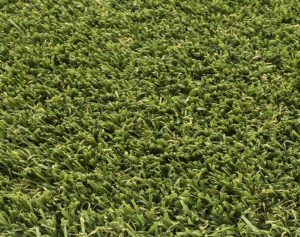
If your artificial grass is worn out, lifting at the seams, holding odours, or was installed poorly the first time around, you’ll eventually need to remove it – either for a replacement, a redesign, or to return your garden back to natural turf.
But artificial grass is heavy, awkward to lift, and classed as non-recyclable mixed waste, which means disposal costs can vary widely across the UK. This guide explains artificial grass waste removal cost per m², what affects the price, why most councils won’t take it, and whether DIY removal is realistic.
Replacing your lawn? We handle full removal and disposal during every professional installation – no hidden extras.
This includes cutting, lifting, loading, and disposal at a licensed waste facility.
Extra costs may apply for heavy sand infill, glued seams, or sub-base removal.
Jump to:
- Artificial Grass Removal Cost per m²
- What’s Included in Professional Removal?
- Artificial Grass Removal Near Me
- What Affects Waste Removal Cost?
- Do Councils Take Artificial Grass?
- Can Artificial Grass Be Recycled?
- DIY vs Professional Removal
- What Tools Do You Need to Remove Artificial Grass?
- When Should Artificial Grass Be Replaced?
- FAQs
Artificial Grass Removal Cost per m²
Most homeowners pay between £8 and £20 per m² to remove and dispose of old artificial turf. Price varies based on access, weight, and whether the sub-base needs removing.
| Service | Typical Cost |
|---|---|
| Turf lifting & removal | £8–£15 per m² |
| Disposal at licensed facility | £2–£5 per m² |
| Sub-base / sand removal (optional) | +£5–£10 per m² |
For a 40m² garden:
- Low-end: £320
- Typical: £420–£600
- If sub-base is removed: £600–£900
Planning a replacement? Turf removal is included when booking professional installation with us.
What’s Included in Professional Turf Removal?
Removing artificial grass is more than just pulling it up. A proper removal service includes:
- Cutting turf into manageable strips
- Lifting turf and adhesives
- Removing sand or rubber infill
- Loading waste for transport
- Disposal at a licensed waste transfer station
- Levelling the area ready for new turf or landscaping
If your turf looks tired but may not need replacing yet, try our maintenance & repair services first – a £99 deep clean often saves you from full removal.
Artificial Grass Removal Near Me
If you are searching for artificial grass removal near me, the main thing to check is whether the company can remove, load, transport and dispose of the old turf responsibly. Removing artificial grass is one job; getting rid of it properly is often the harder part.
As Good As Grass can remove old artificial lawns as part of a full replacement, repair or new artificial grass installation. We regularly work across Greater Manchester, Lancashire, Bury, Bolton, Rochdale and surrounding areas.
If your lawn is only tired, flat or smelly rather than completely failed, it may be worth booking an artificial grass maintenance and repair visit before paying for full removal.
What Affects Artificial Grass Waste Removal Cost?
No two lawns cost the same to remove. Pricing depends on:
- Access – narrow alleys or steps increase labour time
- Turf weight – sand infill can double the weight
- Adhesive use – glued edges take longer to lift
- Size of the lawn – discounts apply to large areas
- Sub-base condition – old MOT may need removing
- Pet odours / contamination – affects waste classification
If drainage issues or odours are why you’re considering removal, we can help diagnose the root cause through our drainage checks and pet odour treatments.
Do Councils Take Artificial Grass Waste?
Short answer: Almost always no.
Most UK councils will not accept artificial turf at household recycling centres because:
- It’s classed as mixed plastics waste
- Old turf contains sand, soil, rubber, or organic debris
- It cannot be processed using normal recycling machinery
If a council does accept it, it’s usually in small quantities only and with extra fees.
Can Artificial Grass Be Recycled?
Technically, yes – but only at a small number of specialist facilities.
Artificial grass must be separated into:
- Polyethylene / polypropylene fibres
- Latex backing
- Sand or rubber infill
This requires industrial machinery, which is why most UK turf ends up at licensed waste stations rather than true recycling plants.
We ensure all turf is disposed of responsibly through regulated facilities.
DIY vs Professional Removal
Removing artificial grass looks simple, but the reality is very different once you start cutting, lifting and dealing with the weight. Before deciding whether to tackle it yourself or hire a professional, here’s what you need to know about the effort, tools and disposal challenges involved.
DIY Removal
You can remove turf yourself, but expect:
- Very heavy rolls – 10m² can weigh 80–120kg
- Sand-filled turf to be significantly heavier
- Limited disposal options – most tips reject turf
DIY is manageable for tiny patches but tough for full lawns.
Professional Removal
Professionals handle the entire process quickly and safely. Ideal if:
- You’re upgrading your lawn
- Your turf is glued down
- You have poor access
- You want the area prepped for reinstallation
Booking a replacement lawn? Removal is included when using our installation service.
What Tools Do You Need to Remove Artificial Grass?
For small patches, you may be able to remove artificial grass with basic hand tools. For larger lawns, glued edges or heavy sand-filled turf, the job becomes much harder.
- Sharp utility knife for cutting the turf into strips
- Heavy-duty gloves for lifting and handling old backing
- Spade or scraper for lifting edges and stuck areas
- Wheelbarrow for moving rolls or cut sections
- Skip, waste collection or licensed disposal route for removing the old turf
A turf cutter or turf lifter is usually used for removing natural turf rather than old artificial grass. Artificial turf is normally cut into manageable strips, lifted by hand, then loaded for disposal.
When Should Artificial Grass Be Replaced?
Most lawns last 10–15 years, but early replacement is common if:
- The turf is flattened beyond repair
- Drainage has failed across large areas
- Seams are splitting or lifting everywhere
- Pet odours can’t be removed
Not sure if you need removal or just a fix?
Try a free turf health check first.
Artificial Grass Waste Removal FAQs
Homeowners often have the same questions about turf disposal, council rules and recycling. Here are the answers we give most often.
How much does artificial grass removal cost?
Most homeowners pay £8–£20 per m² depending on access, weight, and waste disposal fees.
Is turf removal included in installation?
Yes – when you choose professional artificial grass installation, removal is included.
Why is artificial grass so heavy?
Old turf often contains 5–10 years’ worth of compacted sand, soil, and debris, doubling its weight.
Can I put artificial grass in a skip?
Yes – but some skip companies charge extra for turf due to disposal classification.
How do you get rid of artificial grass?
The usual method is to cut the turf into manageable strips, lift it from the base, remove any loose infill, then take it to a licensed waste facility or arrange professional collection. Many councils and household tips will not accept large amounts of artificial grass.
Can I take artificial grass to the tip?
Sometimes, but not always. Many household recycling centres do not accept artificial grass, especially if it contains sand, soil, rubber or organic debris. Always check your local council rules before loading it into a car or van.
Do you need a turf cutter to remove artificial grass?
Usually, no. Turf cutters are designed for lifting natural lawn turf. Artificial grass is normally removed by cutting it into strips with a sharp knife, lifting the edges, then rolling or folding the sections for disposal.
What is the best way to remove old artificial grass?
The best method is to cut it into strips, lift from the edges, separate any loose infill where possible, and dispose of it through a suitable waste route. If the turf is glued down, heavily sand-filled or contaminated with pet odours, professional removal is usually easier.
Can old artificial grass be replaced with a new lawn?
Yes. Old artificial grass can be removed and replaced with new artificial turf or natural grass. If the sub-base is still in good condition, it may be possible to reuse part of it, but drainage, levels and odours should be checked first.
Can I remove artificial grass myself?
You can, but it’s labour-intensive and disposal is the biggest challenge. Professional removal is far easier.
Can artificial grass be recycled?
Only at specialist facilities with separation machinery – most UK turf is disposed of as mixed waste.
Need Old Artificial Grass Removing?
We remove, dispose of, and replace artificial grass as part of every professional installation.
If your turf is simply looking tired, our maintenance & repair services may save you from a full replacement.