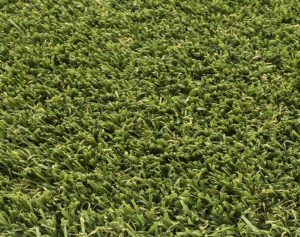
Artificial grass performs well all year round – but winter brings frost, cold snaps, moss growth and occasional slippery patches that change how your lawn behaves. The good news? With a few simple precautions, artificial grass remains perfectly safe to walk, play and relax on throughout the colder months.
This guide explains what actually happens to artificial grass in winter, how to use it safely, and when to avoid walking on the surface until conditions improve.
Quick Answer: Yes – artificial grass is safe to use in winter. Frost makes fibres stiffer, but it doesn’t damage the turf. The main risks are slippery moss patches, frozen areas and temporary drainage slowdown. Avoid brushing frozen fibres and keep foot traffic light until thawed.
- Safe to walk on? Yes, once frost melts.
- Slippery? Only with moss or algae buildup.
- Damaged by snow? No – snow causes no harm.
- Pets? Safe all winter (rinse more often).
For winter cleaning or repairs, our maintenance & repair team can restore drainage, remove moss and revive flattened fibres.
Jump to:
- Is Artificial Grass Safe in Frost & Ice?
- Does Artificial Grass Get Slippery in Winter?
- Can You Walk or Play on Artificial Grass in Winter?
- How Winter Weather Affects Artificial Turf
- Winter Do’s & Don’ts
- When Artificial Grass Isn’t Safe to Use
- Winter vs Summer Safety: Quick Comparison
- Winter Safety FAQs
Is Artificial Grass Safe in Frost & Ice?
Frozen artificial grass looks and feels different – but it remains structurally sound. The fibres stiffen as moisture freezes on the surface, giving the turf a crunchy feel underfoot.
Safe? Yes – with light use.
What frost does to artificial grass:
- Fibres stiffen temporarily
- Surface can look shiny or glossy
- Footprints become more visible
Avoid doing this:
- Brushing frozen turf (can bend fibres)
- Pouring hot water on ice
- Scraping with metal tools
- Heavy running or play
Once thawed, brush gently and the grass will spring back to normal. For more advice, see our winter problems guide.
Does Artificial Grass Get Slippery in Winter?
The turf itself isn’t slippery – moss and algae are. Shaded gardens, overhanging trees and slow winter evaporation can create a thin film that becomes slick after rain or frost.
Slipperiness is usually caused by:
- Moss in shaded corners
- Algae on damp surfaces
- Trapped debris breaking down
How to stop it:
- Brush lightly once a week
- Remove debris before it decomposes
- Apply winter-safe moss treatment
- Improve airflow around shaded areas
If your lawn still feels slippery, a professional deep clean removes algae and unclogs infill for good grip.
Can You Walk or Play on Artificial Grass in Winter?
Yes – artificial grass is safe for children, adults and pets in winter. Just adjust how you use the surface depending on the weather.
Safe to use for:
- Walking
- Light play
- Pets
- Everyday foot traffic
Use with caution:
- Heavy running on frozen turf
- Football sessions on icy patches
- Brushing fibres while stiff
Winter doesn’t harm artificial grass – it just changes how the fibres behave temporarily.
How Winter Weather Affects Artificial Turf
Each type of winter weather interacts differently with artificial grass. Here’s what to expect:
- Frost: Fibres stiffen but return to normal once thawed.
- Snow: Sits on top of the turf – no damage.
- Heavy rain: Turf drains well, though compaction slows flow.
- Freeze–thaw cycles: Can lift poorly installed seams.
If drainage seems slow, the backing may be blocked – a common winter issue fixed with a deep clean.
Winter Do’s & Don’ts
Here’s a simple guide for safe winter use:
Do:
- Let frost melt naturally
- Brush fibres gently once thawed
- Remove leaves weekly
- Use pet-safe enzyme cleaners
Don’t:
- Use de-icer or salt
- Scrape ice with metal tools
- Brush frozen fibres
- Ignore recurring slippery patches
When Artificial Grass Isn’t Safe to Use
While artificial grass is generally safe in winter, there are rare situations where you should avoid stepping on the surface until corrected.
- Deep ice layers causing fibre flattening
- Severe moss buildup making areas slippery
- Edges lifting from frost expansion creating trip risks
- Drainage failure resulting in persistent puddles
These issues are best resolved with specialist help. Book a visit here:
Artificial Grass Maintenance & Repair
Winter vs Summer Safety: Quick Comparison
Artificial grass behaves differently depending on the season, but the safety profile stays consistently high. Winter brings stiff fibres, frost and the occasional slippery spot, while summer introduces heat shine and faster evaporation. This quick comparison shows how the surface changes throughout the year – and what that means for everyday use.
| Season | Main Risks | Safety Rating | Notes |
|---|---|---|---|
| Winter | Frost, moss, slow drainage | Safe with light use | Avoid brushing when frozen |
| Summer | Heat shine, dehydration smells | Very safe | Rinse pet areas more often |
Artificial Grass Winter Safety FAQs
Most winter safety questions come down to frost behaviour, drainage and slip resistance. Here are the answers homeowners need:
Can I walk on artificial grass when it’s frozen?
Yes – but keep use light. Heavy foot traffic can compact fibres while frozen.
Does snow damage artificial turf?
No. Snow sits on the surface without affecting the backing or fibres.
Can I brush artificial grass when it’s icy?
No – wait until thawed. Brushing frozen fibres can cause permanent bending.
Is it safe to use de-icer or salt?
No – these clog drainage holes and damage the backing.
Why does my grass feel slippery?
Slipperiness is caused by algae or moss, not the turf itself. A deep clean resolves it.
Is artificial grass safe for dogs in winter?
Yes – but rinse urine more often as odours linger longer in cold weather.
Need Help Keeping Your Lawn Safe This Winter?
We restore artificial grass in Manchester and across the North West – from moss removal and power brushing to drainage fixes and winter deep cleans.