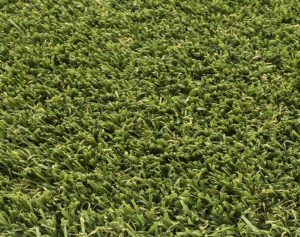
Play areas need to be safe, durable, and easy to maintain.
Whether it’s a school playground, nursery garden, or home play space, the surface underfoot plays a huge role in how children interact with the space – and how confident adults feel letting them use it.
Artificial grass has become a popular choice for play areas across the UK, but is it actually a good option for safety, hygiene, and long-term use?
This guide breaks down whether artificial grass is suitable for play areas, how it compares to alternatives, and what really matters when installing it for children.
💡 Quick Answer: Yes – artificial grass can be an excellent surface for play areas when installed correctly. With the right shock pad, drainage, and specification, it provides a soft, safe, all-weather surface suitable for schools, nurseries, and home play spaces.
🧭 Jump to:
| 🛝 Why Artificial Grass Is Used in Play Areas | 🧠 Safety & Fall Protection |
| 🌧️ Weather & Year-Round Use | 🧼 Hygiene & Cleanliness |
| 🏫 Schools, Nurseries & Public Play Areas | ❓ FAQs |
Why Is Artificial Grass Used in Play Areas?
Artificial grass is designed to stay usable where natural surfaces struggle. In play environments, that consistency matters.
| Surface Type | Pros | Limitations |
|---|---|---|
| Artificial grass + shock pad | All-weather, consistent, low maintenance | Requires correct specification |
| Natural grass | Soft when maintained | Turns muddy, uneven, high upkeep |
| Rubber mulch / tiles | Good impact absorption | Can degrade, fade, or harden |
| Bark / wood chip | Low upfront cost | Moves, decomposes, needs topping up |
Common reasons it’s chosen include:
- Soft, even surface that stays level under heavy use
- All-weather play without mud, puddles, or bare patches
- Low maintenance compared to turf, bark, or rubber mulch
- Clear visual boundaries for play zones, tracks, and activity areas
When combined with the correct underlay, artificial grass is widely used in playgrounds, school yards, and early years settings across the UK.
Is Artificial Grass Safe for Children to Play On?
Yes – but safety depends on what’s underneath it.
Artificial grass on its own is not a fall-protection surface. For play areas where children may trip, jump, or fall, a compliant shock-absorbing layer is essential.
That’s where shock pads and safety flooring systems come in.
Why shock pads matter
- Reduce impact from falls
- Help meet critical fall height requirements
- Create a stable, cushioned base under the grass
- Extend the lifespan of the surface
Without proper shock absorption, artificial grass is no safer than hard ground. With it, the surface becomes suitable for supervised play.
Meeting playground safety requirements
For schools, nurseries, and public play areas, safety surfaces must be designed around critical fall height rather than appearance alone.
Artificial grass systems can be engineered to meet these requirements when paired with the correct shock pad thickness, sub-base, and installation method. This is why play-area installations differ significantly from domestic lawns.
How Does Artificial Grass Perform in Bad Weather?
One of the biggest advantages of artificial grass in play areas is year-round usability.
Thanks to permeable backing and a well-built sub-base:
- Rain drains through instead of pooling
- The surface doesn’t turn muddy or slippery
- Play areas remain accessible even after heavy use
This is especially important for schools and nurseries, where outdoor playtime can’t always wait for perfect conditions.
Is Artificial Grass Hygienic for Play Areas?
Artificial grass is non-porous, meaning spills, dirt, and bacteria sit on the surface rather than soaking in.
With basic maintenance:
- Debris can be removed easily
- Spills can be rinsed away
- Surfaces can be disinfected safely when needed
For public or shared play areas, periodic professional cleaning helps maintain hygiene standards and surface performance over time.
Artificial Grass for Schools, Nurseries & Playgrounds
Artificial grass is commonly used in:
- Primary school playgrounds
- Nursery outdoor learning areas
- Daily Mile and activity tracks
- Public and community play spaces
Purpose-designed installations, such as Daily Mile tracks for schools or roadway and play track systems, allow play areas to be structured, engaging, and safe – without sacrificing durability.
For education settings, we typically recommend surfaces specifically designed for schools and nurseries, rather than domestic lawn products.
Artificial Grass Play Areas: Common Questions
Parents, teachers, and facility managers often ask the same practical questions when considering artificial grass for play areas. Below are clear, experience-based answers to the concerns we hear most often.
Is artificial grass softer than real grass?
Artificial grass itself is not softer – the softness comes from the shock pad beneath it. With the correct underlay, it can offer better impact absorption than worn natural turf.
Can artificial grass be used under climbing frames?
Yes, but only when installed with a compliant shock-absorbing system matched to the fall height of the equipment.
Does artificial grass get slippery?
Properly installed artificial grass drains quickly and maintains grip. Slipperiness is usually a sign of poor drainage or lack of maintenance.
Is artificial grass suitable for nurseries?
Yes. Many nurseries choose artificial grass for its cleanliness, durability, and year-round usability – provided it’s installed with safety in mind.
Planning a Safe Play Area?
From school playgrounds to nursery gardens and structured activity zones, we design and install play-safe artificial grass systems with the right foundations beneath them.